Spring Refresh: Zero‑Waste Kitchen Swaps on a Budget

Ready to ditch kitchen waste without blowing your budget?
Spring is the perfect time to hit the reset button on every corner of your home. Zero‑waste kitchens don’t have to mean pricey eco‑gadgets—just a handful of smart swaps you can pull off over a weekend. I’ve tried these tricks in my own Atlanta apartment, and they saved me money while shrinking my trash bin.
What are the biggest waste culprits in the kitchen?
Before you can replace anything, you need to know where most of the waste is coming from. In a typical home, the top three sources are:
- Single‑use plastics: zip‑top bags, produce bags, and disposable containers.
- Food‑related waste: leftover scraps, over‑ripened produce, and coffee grounds.
- Packaging: cardboard boxes, styrofoam trays, and plastic wrappers.
According to the U.S. EPA, residential food waste alone accounts for roughly 22 % of total waste generated in the United States (2024 data). That’s a huge opportunity for a budget‑friendly makeover.
Which low‑cost swaps can you make this weekend?
Here are the five easiest, cheapest changes you can start right now:
- Reusable produce bags: Swap the flimsy plastic produce bags at the grocery for cotton or mesh bags. A pack of 10 costs about $8 on Amazon and lasts forever.
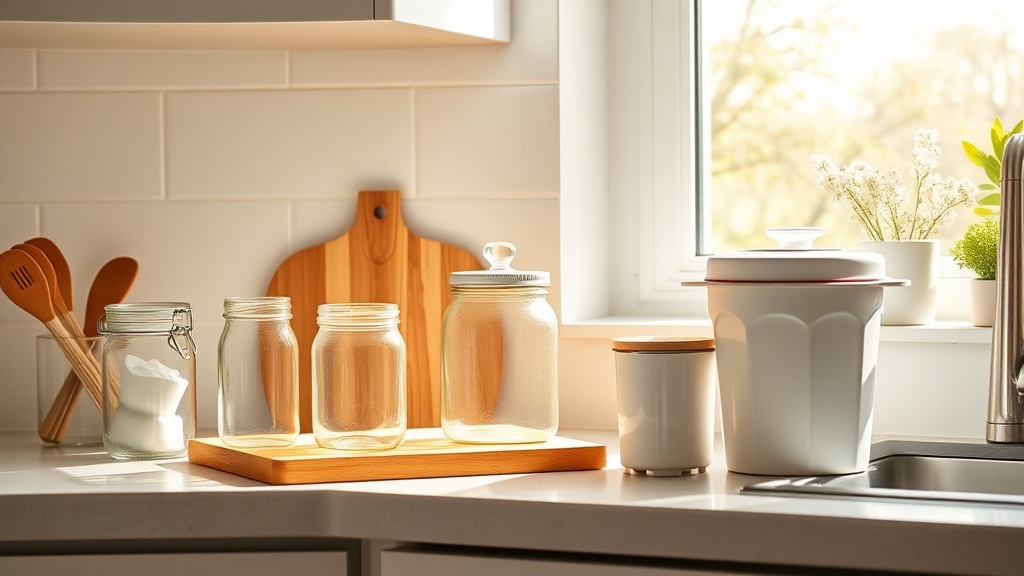
- Glass storage jars: Bulk‑buy a set of 12‑oz glass jars (often under $15 at dollar stores). They replace plastic containers for leftovers, spices, and pantry staples.
- Beeswax wraps: Ditch cling film with a small roll of beeswax wraps — $12 for a set of three. Perfect for covering bowls or wrapping sandwiches.
- DIY compost starter: A simple compost bin can be made from a 5‑gal bucket with a lid and a drill for ventilation. USDA guidelines show it works for kitchen scraps.
- Bulk buying basics: Many stores (Target, Walmart, local co‑ops) let you bring your own containers to the bulk section. Start with pantry staples like beans, rice, and oats — you’ll save $0.30‑$0.50 per pound.
How do I set up a compost starter kit without breaking the bank?
Composting feels intimidating, but you only need three things:
- A 5‑gal bucket with a snug lid.
- Drill a few small holes on each side for airflow (about ¼‑inch each).
- A layer of shredded newspaper or cardboard as a carbon base.
Every time you add fruit peels or coffee grounds, top it with a bit of newspaper to keep odors down. Within two weeks you’ll have nutrient‑rich compost ready for your potted herbs.
Where can I find affordable bulk‑buy options?
Here are three places that let you bring your own containers for under $10 a month:
- Target’s Bulk Section: Their “Zero Waste” aisle (now in most stores) offers beans, nuts, and pasta. Use your glass jars — no fee.
- Local co‑ops: Many neighborhoods have a co‑op where you can shop bulk for a small membership fee (usually $5‑$10). Check Co‑op Directory for the nearest location.
- Online bulk clubs: Boxed ships bulk staples in recyclable packaging for a $5‑$7 subscription.
Can I keep track of my progress?
Absolutely! Download my printable Zero‑Waste Kitchen Checklist (linked below) and mark off each swap as you complete it. I’ve also added space to jot down the amount you saved each week.
Printable Zero‑Waste Kitchen Checklist
Takeaway
Zero‑waste doesn’t have to be a big investment. By swapping single‑use plastics for reusable containers, starting a simple compost bin, and buying bulk with your own jars, you can refresh your kitchen this spring for under $30. Give it a weekend, and you’ll see less trash, lower grocery bills, and a greener home.
Related Reading
- International Women’s Day 2026: Women‑Led Brands Powering Sustainable Living — how brands are making eco‑friendly choices on a budget.
- Spring Refresh: Build a Sustainable Capsule Wardrobe for March 2026 — my spring style overhaul, perfect companion to a kitchen refresh.
- Daylight Saving Time 2026: 7 Budget Hacks to Stay Energized & Stylish — more budget‑savvy tips for the season.
- Bio‑Harmony Spring: Sync Your Meals with the Sun for Vitality — aligning food choices with seasonal energy.