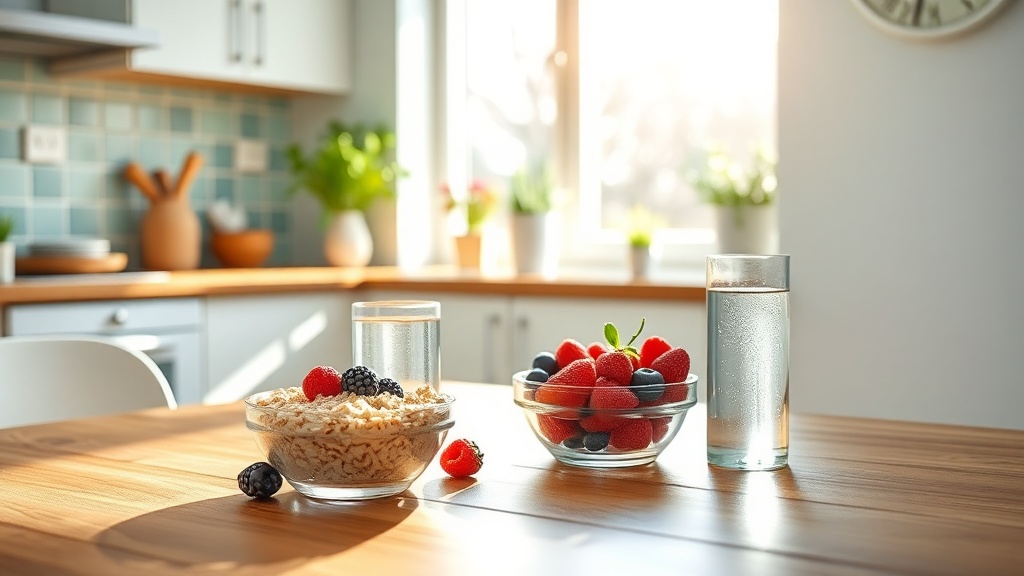
Bio‑Harmony Spring: Sync Your Meals with the Sun for Vitality

Ever feel like your energy spikes at weird times, or your sleep feels off despite getting enough rest? It might not be your coffee habit—it could be the clock inside your body. As spring daylight stretches, syncing your meals with the sun can boost vitality, balance hormones, and keep you looking fresh—all without breaking the budget.
Why Does Meal Timing Matter in Spring?
Our bodies run on a circadian rhythm—a 24‑hour internal clock that regulates metabolism, hormone release, and even skin health. When we eat at times that align with daylight, we support this natural rhythm, leading to steadier energy, better sleep, and improved digestion (NIH, 2023). Spring’s longer days are the perfect cue to reset.
How Can I Redesign Breakfast for Spring Light?
Morning light signals your body to release cortisol, the hormone that helps you wake up and metabolize food. To ride this wave:
- Eat within 1‑2 hours of sunrise. Aim for a protein‑rich breakfast—think Greek yogurt with fresh berries and a sprinkle of chia seeds. This stabilizes blood sugar and fuels your cortisol surge.
- Include a small amount of healthy fat. Avocado toast or a handful of nuts keep you satiated until lunch.
- Stay hydrated. A glass of water with a splash of lemon jump‑starts digestion.
For a quick spring recipe, try my Spring Sunrise Oatmeal (under $5 total).
What Should Lunch Look Like When the Sun Is High?
Midday light boosts serotonin, the “feel‑good” neurotransmitter. Pair this with a balanced lunch to avoid the post‑lunch slump:
- Focus on fiber and lean protein. A quinoa salad with grilled chicken, mixed greens, and a citrus vinaigrette keeps insulin steady.
- Add a splash of color. Red peppers, orange carrots, and leafy greens not only look vibrant but also provide phytonutrients that support circadian health (Harvard, 2021).
- Limit heavy carbs after 2 pm. Your body’s ability to process glucose declines later in the day, which can disrupt sleep later.
Need a budget‑friendly version? Check out my $3 Quinoa Salad that fits perfectly into a $30 weekly grocery haul.
How Should Dinner Align With Evening Light?
As daylight fades, melatonin rises, preparing you for rest. A lighter dinner respects this shift:
- Eat at least 3 hours before bed. This gives your digestive system time to wind down.
- Prioritize vegetables and lean protein. A baked salmon fillet with roasted asparagus and a side of sweet potato provides omega‑3s that support melatonin production.
- Skip caffeine after 2 pm. Even a hidden caffeine source like dark chocolate can keep you wired.
Try my Easy Spring Salmon Dinner—all ingredients under $10.
What Simple Hacks Can I Add to Keep My Rhythm on Track?
- Expose yourself to natural light. Open curtains as soon as you wake, and take a short walk outside during lunch.
- Set consistent eating windows. Aim for a 10‑hour eating window (e.g., 7 am‑5 pm) and stick to it—even on weekends.
- Use a kitchen timer. Treat meal times like appointments—set a reminder to start cooking.
How Does This Fit Into My Budget‑Friendly Lifestyle?
All of these tweaks use ingredients you already buy at Target, Walmart, or your local thrift‑style grocery store. By planning meals around daylight, you’ll waste less on late‑night takeout and feel more energetic for your daily hustle—exactly the “look like money, spend like you know better” vibe we champion at Budget Style.
What’s the Bottom Line?
Syncing meals with spring’s extra daylight is a low‑cost, high‑impact habit. Start tomorrow: have breakfast within two hours of sunrise, enjoy a fiber‑rich lunch, and finish dinner early. Your body will thank you with steadier energy, better sleep, and a glow that looks budget‑beautiful.
Want More Spring Wellness Hacks?
If you’re curious about how daylight affects sleep, check out my recent post Daylight Saving Time 2026: Reset Sleep, Boost Spring Energy. For budget‑friendly energy tips, see Daylight Saving Time 2026: 7 Budget Hacks to Stay Energized & Stylish. And if you want a full health overhaul, the Spring Refresh: 6 Pillars of a Healthier, Age‑Defying Lifestyle breaks down the rest of the puzzle.