Daylight Saving Time 2026: 7 Budget Hacks to Stay Energized & Stylish

Did the clock jump forward and leave you feeling like a zombie? I’ve been there—stumbling into my closet at 2 a.m. in the dark, wondering why my coffee didn’t work. If you’re juggling a tight budget, a love for thrifting, and a need for extra energy, this list is your spring‑forward survival kit.
Why does Daylight Saving Time throw my sleep off?
We lose an hour of sleep, which nudges our circadian rhythm out of sync. The official DST schedule for 2026 shifts clocks forward at 2 a.m. on March 9, meaning you’ll wake up an hour earlier for the first few days. That sudden jolt can make you feel groggy, especially if you can’t afford pricey sleep aids.
How can I reset my bedtime without breaking the bank?
Here are seven budget‑friendly hacks I swear by every spring.
- Gradual light exposure. Three nights before the change, set your alarm 15 minutes earlier and pull the curtains wide open as soon as you’re up. Natural light tells your brain it’s time to be awake. The CDC’s sleep tips recommend this method for smoother transitions.
- DIY lavender night spray. Instead of buying an expensive aromatherapy diffuser, fill a spray bottle with water, a few drops of lavender essential oil, and a pinch of baking soda. Spritz your pillow for a calming scent that won’t empty your wallet.
- Power‑down an hour before bed. Switch off screens, dim the lights, and swap your night‑light for a warm‑hued LED bulb (often under $5 at Home Depot). It mimics a sunrise alarm without the price tag.
- Hydration hack. Keep a glass of lemon‑water on your nightstand. Sipping a little before bed helps you stay hydrated, which can combat that post‑DST fatigue.
- Micro‑movement breaks. Set a timer to stand up and stretch for two minutes every hour. Even a quick desk‑yoga flow can revive circulation and focus.
- Budget‑friendly energizing snacks. Grab a banana with a spoonful of peanut butter, a cup of Greek yogurt drizzled with honey, or a bowl of oatmeal topped with cinnamon. These foods give steady energy without the caffeine crash.
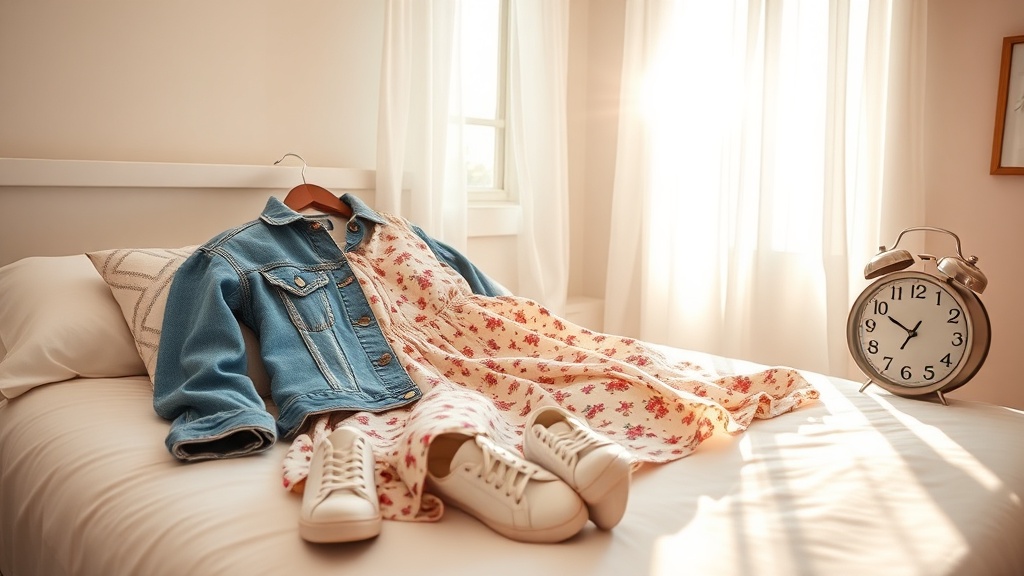
- Refresh your spring wardrobe. Longer days mean more outfit opportunities. Add three key pieces that work from dawn to dusk:
- Lightweight denim jacket. Hunt sales at Target or H&M—usually under $30. It’s perfect for those chilly 6 a.m. walks and won’t overheat later.
- Floral midi dress. I scored a capsule‑wardrobe staple for $25 that pairs with sneakers or sandals.
- Neutral white sneakers. A pair of canvas shoes (often $15‑$20 on sale) matches any outfit, from brunch to late‑afternoon coffee runs.
What if I’m still dragging a week later?
Give yourself an extra night of sleep—your body will thank you. If fatigue lingers, check out the National Sleep Foundation for deeper guidance. You might also want to see Harvard Health’s take on how DST affects circadian rhythm.
Takeaway
Daylight Saving Time doesn’t have to drain your wallet or your energy. By nudging your light exposure, tweaking your bedtime routine, snacking smart, and adding a few versatile spring pieces, you’ll glide into longer days feeling refreshed, stylish, and ready to conquer the season.
Related Reading
- Daylight Saving Time 2026: Reset Sleep, Boost Spring Energy — deeper dive into sleep‑specific strategies.
- Spring Refresh: 6 Pillars of a Healthier, Age‑Defying Lifestyle for 2026 — holistic spring wellness tips.
FAQs
- How can I shift my bedtime gradually for DST? Start moving your bedtime 15 minutes earlier each night for three nights before the clock change and let natural light in as soon as you wake.
- What cheap foods give me an energy boost after losing an hour of sleep? Bananas with peanut butter, Greek yogurt with honey, and cinnamon‑topped oatmeal are inexpensive, tasty, and keep blood sugar steady.
- Which affordable clothing pieces work best with longer daylight? A lightweight denim jacket, a floral midi dress, and neutral white sneakers transition smoothly from early‑morning chill to afternoon sunshine.