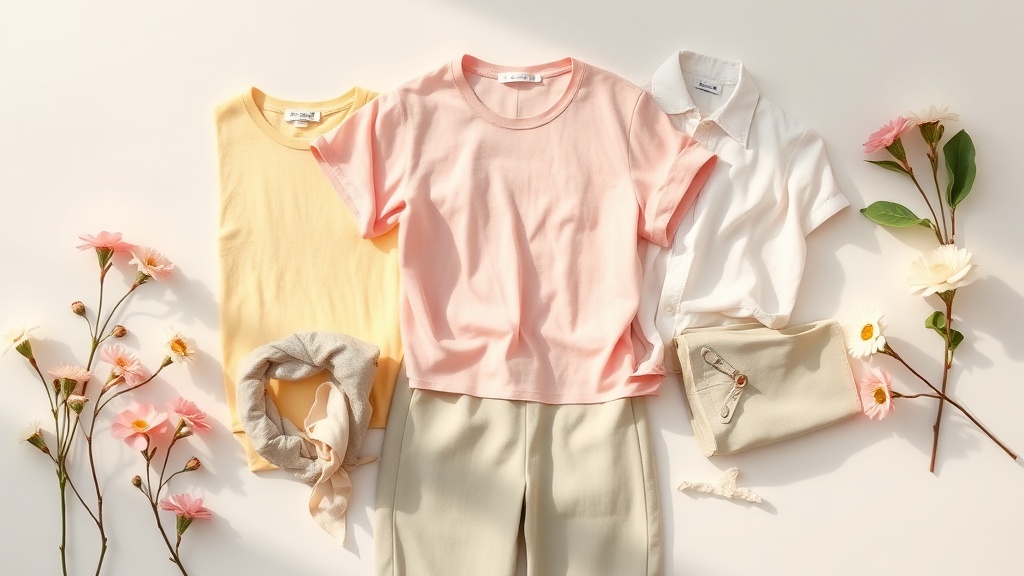
Spring Refresh: Build a Sustainable Capsule Wardrobe for March 2026

Ready to swap your bulky winter coat for a breezy, budget‑friendly spring look that doesn’t cost the Earth? This guide shows you how to build a 10‑piece capsule using sustainable fabrics—so you look fresh, feel good, and keep your wallet happy.
Spring is the perfect time to refresh your closet. As the days get longer, lightweight, breathable fabrics become essential, and today’s shoppers are demanding eco‑friendly options. Reuters just reported a 22% year‑over‑year jump in sustainable apparel sales, proving that green style is no longer a niche.
Why Choose a Sustainable Capsule Wardrobe This Spring?
Because it solves three problems at once: clutter, climate impact, and cost. A capsule limits the number of pieces you own, so you spend less on impulse buys. Picking fabrics like organic cotton, Tencel, and recycled polyester reduces water use, chemical runoff, and landfill waste. And by focusing on versatile basics, you can mix‑and‑match endlessly—getting more outfits out of fewer items.
What Are the Best Eco‑Friendly Fabrics for Spring?
- Organic Cotton: Grown without synthetic pesticides, it’s soft, breathable, and perfect for tees and lightweight shirts.
- Tencel (Lyocell): Made from sustainably harvested eucalyptus, it drapes beautifully—ideal for blouses and dresses.
- Recycled Polyester: Upcycled from plastic bottles, it’s durable and wrinkle‑resistant, great for pants and jackets.
- Hemp & Linen blends: Naturally breathable and gets softer with wear—excellent for shorts and skirts.
How Do I Pick the Ten Pieces for My Capsule?
Follow these six steps to curate a functional, stylish collection that works from work‑day to weekend brunch.
1. Define Your Lifestyle Needs
Ask yourself: Do I need office‑ready pieces, workout gear, or mostly casual wear? Write down the top three scenarios you’ll dress for this season.
2. Choose a Color Palette
Stick to 3‑4 core colors (e.g., soft ivory, muted sage, pastel blush, and classic navy). These hues mix effortlessly and keep the look cohesive.
3. Anchor With a Versatile Top
Pick an organic‑cotton tee in a neutral shade. It’s the workhorse for layering under a Tencel blouse or a recycled‑poly jacket.
4. Add One Statement Blouse
Look for a Tencel or linen‑blend button‑down in a pastel pattern. It adds visual interest without overwhelming the palette.
5. Build Bottoms That Pair Everywhere
- High‑waisted recycled‑poly chinos (navy).
- Flowy hemp‑linen skirt (olive).
- Stretchy organic‑cotton joggers for casual days.
6. Include Outerwear & Accessories
One lightweight recycled‑poly bomber for cooler evenings, plus a couple of accessories—think a bamboo tote and a recycled‑metal necklace.
Where Can I Find Budget‑Friendly Sustainable Pieces?
Thrifting and clothing swaps are gold mines for eco‑fashion. Here’s where I hunt:
- Local thrift stores: Look for tags that say “organic” or “recycled.” Many stores now dedicate sections to sustainable brands.
- Online resale platforms: Poshmark, Depop, and ThredUp let you filter by material.
- Brand dupe alerts: I’ve found TikTok‑tested spring looks under $50 that use the same fabrics.
- Clothing swap events: Check community boards or Meetup for “spring swap” gatherings in Atlanta.
How Do I Keep the Cost Under $200?
Target each piece’s price ceiling:
- Organic cotton tee — $15‑$25
- Tencel blouse — $20‑$35 (second‑hand find)
- Recycled‑poly chinos — $25‑$40
- Hemp‑linen skirt — $20‑$30
- Joggers — $15‑$25
- Bomber jacket — $30‑$45
- Accessories — $10‑$20 each
That totals roughly $150‑$190, leaving room for a few extra basics.
What’s the Best Way to Mix & Match?
Use the “three‑item rule”: any top can pair with any bottom, plus the outerwear works over all. Here’s a quick visual:
- Organic tee + chinos + bomber = casual office.
- Tencel blouse + skirt + tote = brunch.
- Joggers + tee + bamboo tote = relaxed weekend.
How Do I Maintain These Eco‑Friendly Fabrics?
Proper care extends life and preserves the low‑impact claim:
- Cold‑water wash for organic cotton and Tencel.
- Air‑dry whenever possible—heat can break down recycled fibers.
- Use a gentle detergent free of phosphates.
- Store garments on padded hangers to avoid stretching.
What’s My Final Spring Capsule Checklist?
- 1 organic‑cotton tee
- 1 Tencel blouse
- 1 recycled‑poly bomber
- 2 bottoms (chinos & skirt)
- 1 jogger
- 2 accessories (bamboo tote, recycled‑metal necklace)
- All items under $200 total
Ready to Build Your Sustainable Spring Wardrobe?
Start by scouting your local thrift store this weekend, set a $200 budget, and follow the steps above. You’ll walk into March with a fresh, eco‑conscious look that feels as good as it looks.
Related Reading
- Analog Fashion Accessories on a Budget: 6 Picks for 2026 — More low‑cost accessory ideas.
- 5 Spring 2026 Runway Trends I Found for Under $30 — Trendy pieces you can pair with your capsule.
- No‑Buy Week: How I Styled 12 Closet Pieces — Proof that fewer pieces can still be endless.