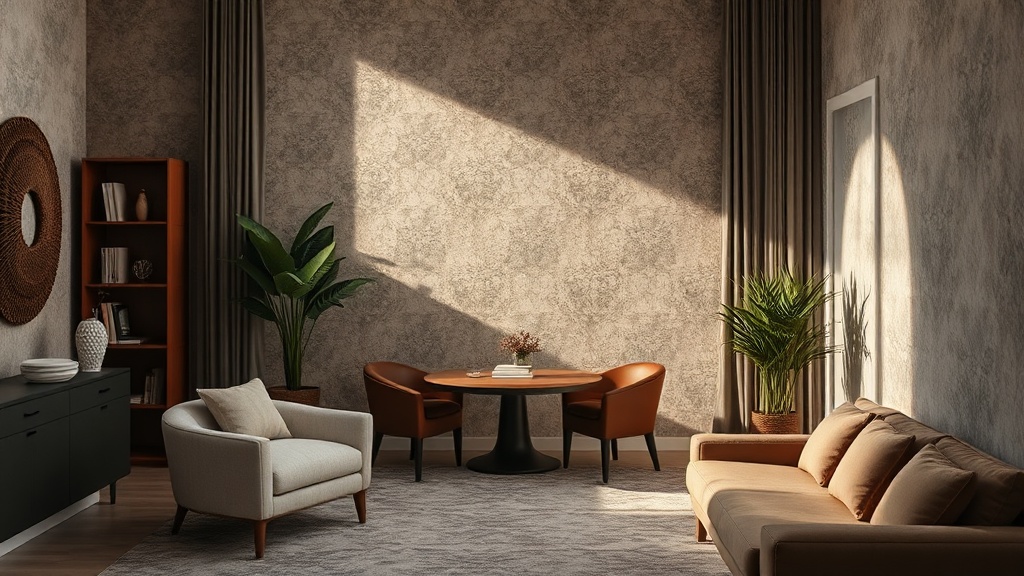
Building a High-End Look with Neutral Tones and Texture

Imagine walking into a high-end hotel lobby and seeing a woman in a simple cream sweater and tan trousers. She isn't wearing a single logo, yet she commands the room. This effect happens because she mastered the art of neutral tones and texture. This guide breaks down how to use a muted color palette and varied fabric weights to create a high-end aesthetic without spending a fortune.
Why Should You Wear Neutral Colors?
Neutral colors create a cohesive, expensive-looking foundation because they minimize visual clutter and focus the eye on silhouette and quality. When you stick to a palette of beige, cream, navy, charcoal, and white, your outfit looks intentional rather than accidental. It’s the easiest way to make a $20 thrifted find look like a designer piece.
The secret is in the "tonal" look. Instead of wearing black and white—which can sometimes look a bit stark or dated—try wearing different shades of the same color. A camel coat over a tan knit sweater and beige wool trousers creates a monochromatic depth that looks incredibly polished.
Think about the way a high-end brand like The Row approaches design. They don't rely on bright patterns or loud logos. They rely on the way a specific shade of oatmeal or stone looks against the skin. You can replicate this by shopping for solid-colored pieces in various textures.
Pro Tip: Avoid "flat" neutrals. If you wear a plain cotton t-shirt with plain cotton chinos in the same shade of beige, you might look like you're wearing a uniform. You need variety to keep the outfit from looking boring.
How Do You Mix Textures to Look Expensive?
Mixing textures adds visual interest and depth to a monochromatic outfit, preventing a single-color look from appearing one-dimensional. If every piece of your outfit has the same smooth, matte finish, the look lacks "life." You want to play with the tension between different surfaces.
A great way to start is by pairing something soft with something structured. For example, a chunky knit sweater looks much more expensive when paired with a sleek, satin midi skirt or a structured leather skirt. The contrast between the "fuzzy" wool and the "shiny" silk creates a high-end vibe (even if that silk is actually a high-quality polyester from a budget retailer).
Here are a few classic texture pairings to try:
- The Soft & The Hard: A cashmere-style knit paired with a denim or leather skirt.
- The Matte & The Shine: A matte cotton button-down paired with a satin slip skirt.
- The Rough & The Smooth: A heavy wool blazer paired with a silk camisole.
- The Chunky & The Sleek: A cable-knit cardigan over a smooth jersey dress.
When you're out shopping, pay attention to how the light hits the fabric. If you find a piece that has a slight sheen or a visible weave—like a linen blend or a heavy twill—it will likely look more expensive than a flat, thin fabric. You can learn more about identifying these materials in my post on how to spot quality fabrics.
What Are the Best Neutral Color Palettes for Every Season?
The best neutral palettes revolve around "warm" or "cool" undertones to ensure your clothes look harmonious rather than muddy. While many people think neutrals are just black and white, the world of neutrals is actually quite expansive.
| Season | Primary Neutrals | Accent Textures |
|---|---|---|
| Spring | Cream, Sand, Sage, Camel | Linen, Silk, Light Cotton |
| Summer | White, Ivory, Tan, Stone | Linen, Crochet, Seersucker |
| Fall | Camel, Rust, Navy, Chocolate | Suede, Corduroy, Knits |
| Winter | Charcoal, Black, Cream, Espresso | Wool, Velvet, Leather |
If you have a cooler skin tone, lean into charcoal, navy, and crisp white. If you have a warmer skin tone, look for olives, creams, and rich browns. This distinction is what separates a "good" outfit from a "great" one. It's a small detail, but it makes a huge difference in how much your clothes "glow" against your skin.
On the flip side, don't be afraid to use a "pop" of a neutral color. A deep forest green or a rich burgundy functions as a neutral in many high-end collections. These colors add sophistication without the loudness of a bright neon or a primary color.
How Much Does It Cost to Build a Neutral Wardrobe?
Building a high-end looking wardrobe can cost as little as $50 to $100 if you shop strategically at thrift stores and discount retailers. You don't need a massive budget; you just need an eye for fabric and silhouette.
The goal isn't to buy a hundred cheap items. It's to buy ten high-quality-looking items. I always suggest focusing your spending on "outerwear" and "bottoms." A well-structured wool coat or a pair of heavy linen trousers will do more work for your look than five cheap graphic tees. If you find a high-quality piece at a thrift store, even if it's a slightly odd color, you can often style it with neutrals to make it work.
For example, a vintage silk blouse found at a thrift shop for $8 can be paired with basic cream trousers to create a look that rivals high-end boutiques. This is a core part of my philosophy: why some inexpensive outfits look expensive while others don't. It comes down to the weight and the texture of the fabric you choose.
A Note on Quality: When shopping on a budget, look for natural fibers. Even if you're shopping at a place like Nordstrom Rack or a local thrift shop, check the inner labels. A blend of 50% wool and 50% polyester will look and hang much better than 100% thin acrylic. This is a fundamental rule of visual merchandising—the way a fabric drapes determines how "expensive" it appears to the eye.
The more you practice identifying these textures and colors, the easier it becomes. You'll stop seeing "just a brown shirt" and start seeing "a camel-colored silk blouse with a subtle sheen." That shift in perspective is where the magic happens.