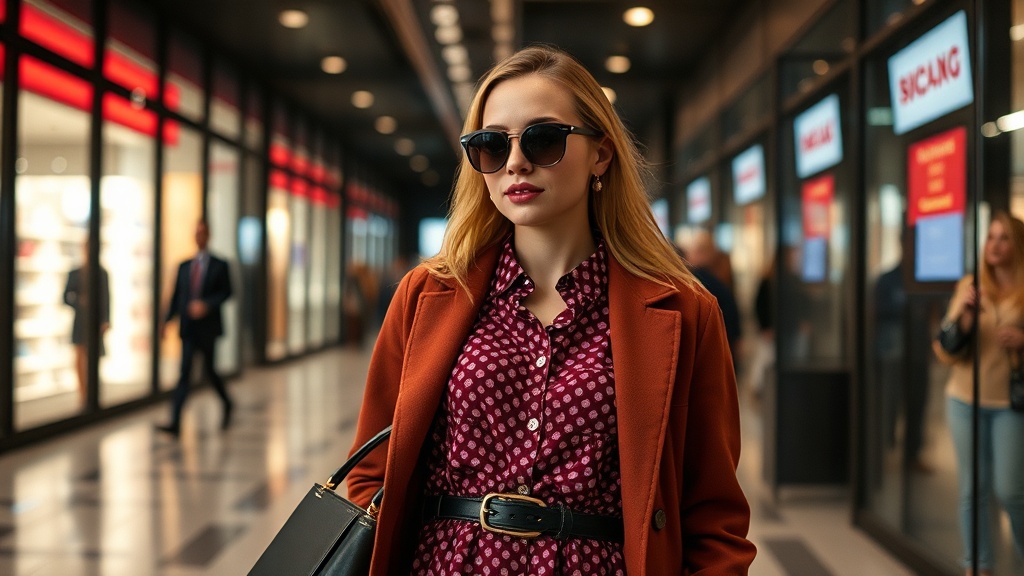
Why Do Some $20 Outfits Look Expensive While Others Fall Flat?
Ever scroll through Instagram and wonder how someone makes a total fast-fashion look appear straight off a runway? The difference isn't their bank account — it's knowing which subtle details separate polished pieces from the ones that scream "cheap." After years of visual merchandising at Nordstrom Rack and hunting down budget gems that fool even the most discerning eyes, I've cracked the code on what actually makes affordable clothing look like it cost ten times the price.
This guide breaks down the specific construction details, fabric choices, and styling tricks that create an expensive aura — no matter what the tag says. You'll learn to spot the budget pieces worth buying and the ones to leave on the rack, plus how to style them so nobody guesses your secret.
What Stitch Count and Seam Finishing Should You Look For?
The quickest way to spot quality — or lack thereof — is flipping a garment inside out. High-end designers obsess over interior construction because they know clean finishing affects how fabric drapes on your body. Budget brands often skip these details to cut costs, but some still get it right.
Look for French seams or enclosed seams where the raw edges are hidden. These prevent fraying and create smoother lines that lie flat against your skin. When examining pants and skirts, check if the hem allowance is generous — at least one inch. Narrow hems (quarter-inch or less) can't be let out if you need alterations and often pucker after washing. Quality construction includes properly aligned patterns at seams. If stripes or plaids don't match at the sides, that's a dead giveaway of rushed manufacturing.
Stitch density matters more than you'd think. Hold the fabric up to light — stitches should be close together (10-12 per inch is ideal) with no visible gaps. Loose stitching unravels faster and creates that wavy, distorted look after a few wears. The thread itself should match or complement the fabric color, not contrast sharply unless that's clearly intentional design.
When shopping online, zoom in on product photos. Reputable retailers like Nordstrom Rack often show interior construction details because they know discerning shoppers look for them. If a site only shows styled front-facing photos with no close-ups, that's a red flag.
Which Fabric Blends Look Richer Than Their Price Tag?
Natural fibers have earned their reputation, but modern fabric technology means some synthetics and blends look surprisingly luxe. The key is understanding which combinations drape well and which cling, pill, or shine in ways that betray their budget origins.
Rayon and viscose — when properly weighted — mimic silk at a fraction of the cost. Look for terms like "heavyweight viscose" or "sand-washed rayon." These have the fluid movement of expensive silk without the dry-clean-only headache. Avoid thin, shiny polyester that reflects light unevenly. Matte finishes almost always look more expensive than high-gloss synthetics.
Cotton blends with just 2-5% elastane offer structure with comfort. Pure cotton wrinkles instantly and can look sloppy by noon. That tiny bit of stretch keeps crisp lines intact through your workday. For winter pieces, acrylic blends can substitute for wool if the knit is tight and the yarn isn't fuzzy. Vogue's fabric guide explains how fiber content affects both appearance and longevity.
Linens and linen blends deserve special mention. Real linen wrinkles — that's part of its charm — but cheap linen-look fabrics made from 100% polyester wrinkle permanently and never soften. Look for linen-cotton blends (55% linen, 45% cotton) that offer the texture without the excessive creasing. The blend washes better and maintains its shape longer than pure linen at similar price points.
How Should Budget Pieces Actually Fit Your Body?
Fit is where most affordable clothing falls apart — literally and figuratively. Designer garments are cut with seam allowances and construction that accommodates tailoring. Budget pieces often skimp here, making alterations difficult or impossible. But with strategic shopping, you can find pieces that fit well off the rack or require minimal adjustments.
Shoulder seams should hit exactly at your shoulder bone — no exceptions. This is the one alteration that's rarely worth attempting on budget pieces since restructuring the shoulder changes the entire garment. When trying on jackets, blazers, or structured tops, raise your arms. If the shoulder seam hikes up toward your neck, the armhole is cut too small. Pass.
Sleeve length offers more flexibility. Long sleeves can be rolled or shortened relatively inexpensively. But cap sleeves and flutter sleeves must hit at the exact right point on your arm to look intentional. These are nearly impossible to alter, so only buy them if the sleeve length flatters your specific arm shape.
Pants and skirts present different challenges. Waistbands should fit without gaping — use the two-finger test. You shouldn't be able to fit more than two fingers comfortably inside the waistband at your natural waist. If there's excess fabric, the proportions are off. For wide-leg pants and trousers, the break (where pants meet shoes) should create a single clean fold, not bunch excessively. For ankle pants, they should hit about one inch above your ankle bone. Any higher risks looking like you've outgrown them.
The $15-25 you spend on basic alterations — hemming, taking in side seams, adjusting sleeve length — transforms off-the-rack budget pieces into custom-fitted garments. Seamwork Magazine details which alterations provide the best return on investment for your wardrobe.
Can Accessories Really Hide a Bargain Price Tag?
Here's where visual merchandising tricks come into play. The eye reads an entire outfit as a single impression. Strategic accessories redirect attention toward higher-quality details and away from construction compromises. But there's a fine line between elevating a look and obviously overcompensating.
Shoes anchor every outfit. Even the most expensive dress looks cheap paired with scuffed, worn heels. Conversely, clean, classic footwear — think pointed flats, leather loafers, or block-heel sandals — gives instant polish to a $25 dress. You don't need designer shoes. You need shoes in excellent condition with classic lines. That means regular cleaning, heel taps replaced before they wear down, and storing them properly so they maintain their shape.
Belts do heavy lifting for budget outfits. A thin, structured belt in leather or quality faux-leather defines the waist and adds intentionality to simple dresses or oversized shirts. Avoid belts with visible logos, excessive hardware, or synthetic materials that look plasticky. The belt should look like an integrated part of the outfit, not an afterthought thrown on to hide poor fit.
Jewelry requires restraint. One quality piece outshines a pile of cheap accessories. A single strand of freshwater pearls, a structured gold cuff, or simple geometric earrings add sophistication without distraction. Layering multiple budget necklaces often results in tangling and visual noise. When in doubt, choose one focal piece and let it breathe.
Handbags present the biggest challenge. It's nearly impossible to fake luxury leather quality — the smell, the patina, the way light hits the grain. Instead of trying to mimic designer bags, choose structured shapes in unexpected colors or textures. A well-made canvas tote, a vintage basket bag, or a structured vegan leather piece in burgundy or forest green looks more expensive than a sad imitation of a famous logo bag.
How Do You Maintain That Expensive Look Over Time?
The final secret to expensive-looking style isn't what you buy — it's how you care for what you own. Budget fabrics often lack the resilience of luxury materials, but proper maintenance extends their lifespan and preserves that fresh-from-the-store appearance.
Washing is where most budget pieces meet their end. Cold water, gentle cycles, and air-drying aren't just environmental choices — they're preservation tactics. Heat breaks down elastic fibers, fades dyes unevenly, and weakens seams. Invest in mesh laundry bags for delicates and turn structured pieces inside out before washing. That $12 blouse stays crisp far longer with five extra seconds of preparation.
Storage matters immensely. Wire hangers stretch shoulder seams and create permanent divots. Padded or wooden hangers maintain the shape of jackets and structured pieces. Knits should be folded, never hung, to prevent stretching. Cedar blocks or lavender sachets protect natural fibers from moths without the chemical smell of synthetic repellents.
Regular maintenance prevents the gradual decline that makes outfits look tired. Remove pills with a fabric shaver or comb. Touch up scuffs on shoes with matching polish. Steam garments rather than ironing when possible — steam relaxes fibers without crushing texture. A quick once-over with a lint roller before leaving the house takes seconds and signals attention to detail.
The women who master budget style treat their $20 pieces with the same care they'd give $200 investments. That mindset shift — from disposable fashion to maintained wardrobe — is what ultimately separates the truly stylish from those constantly chasing new purchases.