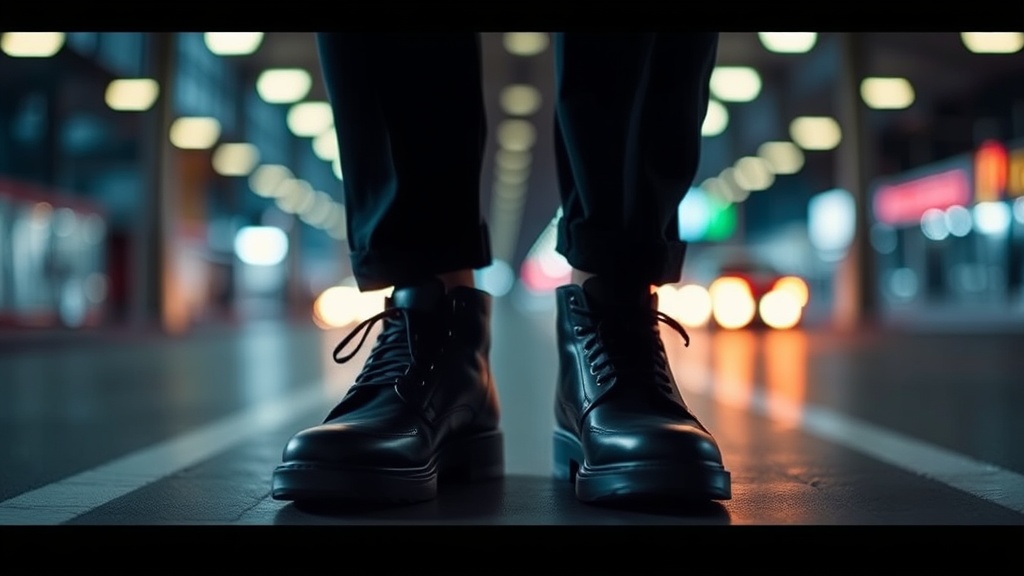
Why Your Shoes Look Cheap and How to Fix It

Have you ever put together a perfectly curated outfit, only to feel like something is "off" once you look down at your feet?
It is a common frustration: you have the designer-inspired blazer, the perfect straight-leg denim, and a high-quality cotton tee, but your footwear makes the entire look feel unpolished or inexpensive. Footwear is often the most overlooked element of an outfit, yet it serves as the literal foundation of your silhouette. This guide will break down the specific technical reasons why certain shoes look low-quality and provide actionable, budget-friendly solutions to ensure your footwear always looks high-end.
Understanding the difference between a $30 shoe that looks like $300 and a $30 shoe that looks like $3, requires looking closely at material, construction, and maintenance. Whether you are shopping at a thrift store, a discount retailer like Nordstrom Rack, or browsing online, these principles will help you curate a footwear collection that elevates your entire wardrobe.
The Material Giveaway: Synthetic vs. Natural Textures
The most immediate way a shoe reveals its price tag is through its material. Cheap synthetic materials often have a specific "sheen" that screams plastic. If you see a high-gloss shine on a "leather" boot that looks more like a shiny toy than a luxury item, it is likely a low-grade polyurethane (PU).
- Avoid "Plastic" Shine: Look for matte finishes or "pebbled" textures. A pebbled faux-leather texture mimics the natural grain of high-quality leather much better than a perfectly smooth, shiny synthetic surface.
- The Scent Test: While not a scientific rule, high-quality leather has a distinct, earthy scent. If a shoe has a strong chemical or "plastic" smell right out of the box, the synthetic coating is likely thin and will crack quickly.
- Embrace Suede and Nubuck: If you are on a budget, look for high-quality faux-suede. It tends to look much more expensive than cheap, shiny "vegan leather" because it absorbs light rather than reflecting it in a way that highlights imperfections.
If you are looking to build a more elevated wardrobe through better textures, check out our guide on using silk and satin to elevate your look, as the same principles of light absorption apply to footwear textures.
The Problem with Hardware and Embellishments
Nothing devalues a shoe faster than cheap hardware. If you are buying loafers with a gold bit or a handbag-style heel with a buckle, the color and weight of that metal matter immensely.
Watch out for "Yellow" Gold: Inexpensive gold-toned hardware often has a very bright, yellowish, or even orange tint. This looks artificial and cheap. Instead, look for "brushed gold," "antique brass," or "gunmetal" finishes. These muted tones look significantly more expensive and sophisticated.
Avoid Excessive Branding: High-end luxury often relies on "quiet luxury"—the idea that the quality of the construction speaks louder than a logo. If a shoe has a large, shiny plastic logo or an oversized, clunky buckle, it will likely look lower quality. Opt for subtle, minimalist details. A clean, unbranded loafer or a simple slingback will always look more expensive than one covered in faux-crystal embellishments or loud branding.
Structural Integrity and Silhouette
A well-constructed shoe holds its shape. A common sign of a cheap shoe is a "collapsed" silhouette. This happens when the toe box is too soft or the heel lacks internal support.
The Toe Box Test: When shopping, check the toe box of pointed-toe flats or heels. If the tip of the shoe looks floppy or can be easily crushed by your finger, it will look cheap when you wear it. A structured, firm toe box provides a sharp, intentional line that mimics high-end designer footwear.
Heel Stability: Look at the heel from the side. If the heel is extremely thin and looks like it might wobble, or if the attachment point where the heel meets the shoe looks messy or glued together, skip it. A sturdy, well-integrated heel creates a more expensive silhouette.
The Importance of Sole Color and Thickness
The sole of the shoe is a major giveaway. Many budget-friendly sneakers or boots feature a bright white or starkly contrasting sole that can look "clunky" or unfinished.
- Opt for Tonal Soles: A shoe where the sole is the same color (or a very similar shade) as the upper part of the shoe looks much more cohesive and high-end. For example, a beige boot with a beige sole looks more "designer" than a beige boot with a stark white rubber sole.
- Avoid the "Chunky" Trap: While chunky soles are trendy, cheap versions often look like heavy plastic blocks. If you want a platform or a lug sole, ensure the edges are clean and the material looks dense rather than hollow.
Maintenance: The Secret to Making $30 Look Like $300
You can buy a mid-range shoe, but if it is scuffed, dirty, or worn out, it will look cheap regardless of the brand. Maintenance is where the "Budget Style" philosophy truly shines. You don't need expensive products; you just need a routine.
1. Clean Your Soles Regularly
White sneakers lose their "expensive" look the moment they become dingy. Use a simple mixture of baking soda and water with an old toothbrush to clean the rubber edges of your sneakers. Keeping your soles bright ensures your shoes look intentional rather than neglected.
2. Protect Your Investment
Before wearing any new shoes—especially suede or light-colored leather—apply a protective spray. This prevents water stains and salt damage. A well-maintained pair of $40 Chelsea boots will always look better than a $400 pair of neglected ones.
3. Use Shoe Trees or Stuffing
To prevent the "collapsed" look mentioned earlier, always store your shoes with their shape intact. If you don't want to buy wooden shoe trees, simply stuff your shoes with acid-free tissue paper or even clean socks. This keeps the toe box from creasing and maintains the structural integrity of the silhouette.
4. Address Scuffs Immediately
A small scuff on a leather boot can be fixed with a tiny bit of leather cream or even a colorless nail polish for a quick emergency fix. Don't let small imperfections accumulate, as they signal that the item is old and worn out.
Practical Shopping Checklist
Before you head to the checkout—whether at a thrift store or a major retailer—run through this quick mental checklist to ensure your purchase meets the "expensive" standard:
- Is the shine too plastic? (Aim for matte or textured)
- Is the hardware too "yellow"? (Aim for brushed or muted metals)
- Is the toe box structured? (Aim for a firm, defined shape)
- Is the sole a cohesive color? (Aim for tonal or subtle contrasts)
- Are there any visible glue marks? (Aim for clean, seamless construction)
By paying attention to these technical details, you move beyond just "buying shoes" and start "curating footwear." This shift in mindset is what allows you to build a high-impact wardrobe on a realistic budget.