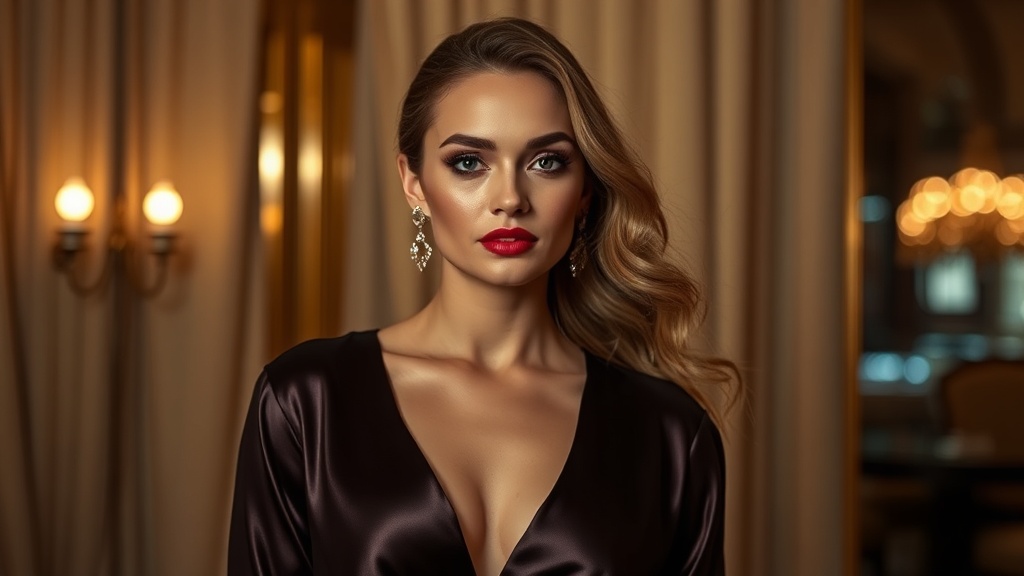
Luxury Texture on a Budget: Using Silk and Satin to Elevate Your Nighttime Look

Have you ever wondered why a simple black slip dress can look like a $500 designer piece on one person and a $15 pajama piece on another?
The secret lies entirely in the interplay of light and texture. When we talk about "looking like money," we are rarely talking about loud logos or heavy gold chains. Instead, we are talking about the way a fabric catches the light during a candlelit dinner or a dimly lit cocktail hour. Silk and satin are the heavy hitters of the evening wear world because they possess a natural luster that signals luxury. However, achieving this look without the designer price tag requires a strategic understanding of fabric weight, sheen levels, and garment construction.
In the world of high-end visual merchandising, we look for "visual weight." A cheap satin often looks thin, shiny in a way that looks "plastic-y," and prone to static. To elevate your nighttime look on a budget, you must learn to identify high-quality imitations and style them with precision. This guide will break down how to select, wear, and maintain these luminous fabrics to ensure you look expensive, regardless of your actual spend.
Understanding the Difference: Silk vs. Satin
Before you head to the thrift store or your favorite budget-friendly retailer, you must understand the terminology. Many people use these words interchangeably, but they are not the same. This distinction is vital when you are hunting for high-end textures.
- Silk: This is a natural fiber produced by silkworm cocoons. It is incredibly breathable, temperature-regulating, and has a soft, matte-to-lustrous sheen. Real silk is an investment, but it is the gold standard for a reason.
- Satin: This is a weave, not a fiber. You can have polyester satin, silk satin, or acetate satin. The satin weave is what creates that iconic, smooth, glossy surface. Most "budget" luxury items you find are actually high-quality synthetic satins.
When shopping on a budget, look for heavyweight polyester satin. While pure silk is beautiful, a heavy-weight synthetic satin often holds its shape better and provides that "liquid" look that makes an outfit appear expensive. Avoid thin, flimsy satin that clings to every seam; instead, look for fabrics that have a certain "heft" to them. A heavier fabric drapes more gracefully over the body, which is a hallmark of luxury design.
The Color Palette of Luxury
The color you choose for your silk or satin piece dictates how "expensive" the texture appears. Certain hues can make a cheap fabric look shiny and cheap, while others can mask the synthetic nature of the fiber. To maintain a high-end aesthetic, stick to these three categories:
- The Jewel Tones: Deep emerald, sapphire blue, and rich amethyst. These colors absorb light in a way that emphasizes the depth of the satin weave, making the fabric look more substantial.
- The Earthy Neutrals: Champagne, bronze, and espresso. These tones lean into the "old money" aesthetic. A champagne-colored satin slip skirt paired with a cream knit sweater is a classic high-low texture play.
- The Sophisticated Dark: Midnight navy, forest green, and true black. While black is a staple, be careful with black satin. If the fabric is too cheap, it can take on a greyish, dusty appearance under bright lights. Opt for a deep, ink-black to ensure the sheen looks intentional.
Three Ways to Style Silk and Satin for Nighttime
To avoid looking like you are wearing sleepwear, you must balance the softness of the fabric with more structured or textured elements. This creates a "tension" in the outfit that is common in high-end styling.
1. The "Texture Clash" (The Slip Skirt Method)
A satin midi skirt is a budget-friendly powerhouse. To make it look like a designer piece, pair it with a high-texture top. Instead of a basic cotton tee, reach for a chunky oversized cashmere-blend sweater or a structured wool blazer. The contrast between the matte, heavy wool and the shiny, light satin creates a sophisticated visual hierarchy. If you are wearing a champagne satin skirt, try a charcoal grey wool blazer from a shop like Zara or even a thrifted oversized men's blazer from a local Goodwill. This creates a balanced silhouette that works for a gallery opening or a high-end dinner.
2. The Monochromatic Layered Look
Monochromatic dressing is a shortcut to looking expensive. When you wear the same color in different textures, it shows a high level of intentionality. For a nighttime look, try a black satin camisole tucked into black tailored trousers, topped with a black silk-blend duster coat. Because the colors match, the eye focuses on the different ways the light hits the satin versus the matte trousers. This technique is a staple in building a high-end capsule wardrobe because it maximizes the utility of every piece you own.
3. The Statement Blouse and Denim Pairing
For a "casual luxury" vibe—perfect for a cocktail bar or a trendy brunch—pair a high-shine satin blouse with dark-wash, structured denim. To ensure this doesn't look too casual, the denim must be pristine. Avoid distressed or ripped jeans. Instead, opt for a straight-leg silhouette in a deep indigo or solid black. A cream silk blouse with voluminous sleeves paired with dark denim and a pointed-toe heel is an effortless way to look polished without overthinking.
Common Pitfalls to Avoid
Even with the best intentions, certain mistakes can quickly downgrade your look. Keep these three rules in mind when shopping for and wearing satin:
- Watch the Static: Nothing kills a luxury vibe faster than a satin skirt clinging to your legs in an unflattering way. To prevent this, carry a small bottle of anti-static spray or even a simple unscented lotion to apply to your legs before dressing.
- Mind the Seams: Cheap satin often has puckered seams. When shopping, turn the garment inside out. If the stitching looks uneven or the fabric is pulling at the seams, put it back. A high-end look requires a smooth, uninterrupted surface.
- Over-Accessorizing: Satin is already a "statement" texture because of how it reflects light. If you wear a bright satin dress, avoid heavy, chunky jewelry that might compete with the sheen. Instead, lean into jewelry that looks high-end but stays minimal—think thin gold hoops or a single elegant pearl earring.
Maintenance: Keeping the Luster Alive
If you want your budget-friendly satin pieces to last and continue looking expensive, you cannot treat them like standard cotton. High-shine fabrics are delicate and prone to snagging.
The Washing Rule: Always wash your satin pieces in a mesh laundry bag on a delicate cycle, or better yet, hand wash them in cool water with a gentle detergent like Woolite. Never use high heat in the dryer; heat can melt synthetic fibers and permanently dull the sheen of the fabric. Instead, lay the garment flat on a clean towel to air dry.
The Steaming Rule: Never use a traditional iron directly on satin. An iron can leave "shiny marks" or scorch the fibers, which are irreversible. Invest in a small handheld steamer. Steaming relaxes the wrinkles and restores the drape of the fabric without the risk of heat damage. If you are in a pinch, hang the garment in the bathroom while you take a hot shower; the steam from the shower will often be enough to drop the minor wrinkles out of a silk blouse.
By focusing on weight, color, and the art of texture pairing, you can transform a modest budget into a high-fashion wardrobe. Remember, luxury isn't about the price tag—it's about the way you manipulate light and fabric to tell a story of sophistication.