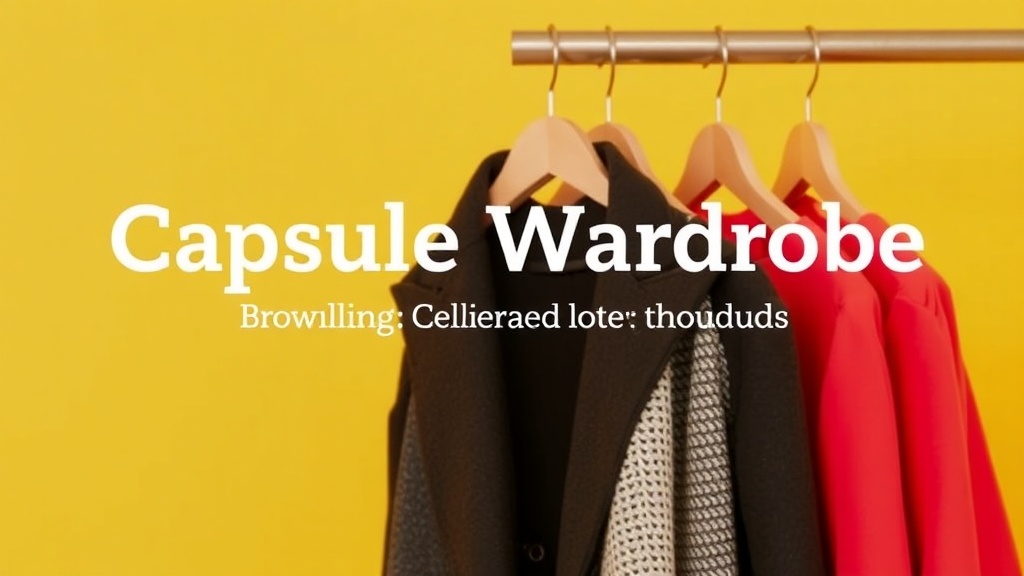
The Art of the Capsule Wardrobe: Building a High-End Look on a Budget

The Philosophy of Less: Why Quality Trumps Quantity
Growing up, thrift shopping wasn't a hobby for me; it was a necessity. I learned early on that looking polished wasn't about how many shopping bags you carried out of a boutique, but about the intentionality behind every single piece you owned. Today, as a visual merchandiser, I spend my days looking at how luxury brands present their collections. I see the patterns. I see the way a well-placed neutral can anchor an entire room or an entire outfit. This is the secret to the capsule wardrobe.
A capsule wardrobe is a curated collection of essential items that are timeless, versatile, and high-quality. The goal is to minimize the number of items in your closet while maximizing the number of outfits you can create. When you focus on a capsule, you stop buying "micro-trend" pieces—those items that look cute for three weeks on TikTok but feel dated by next season—and start investing in pieces that make you look like a million dollars, even if they only cost you $30.
“Style is not about having a lot of clothes; it is about having the right clothes.”
Step 1: Define Your Signature Aesthetic
Before you buy a single white button-down, you must know your "vibe." The biggest mistake I see women make is trying to build a wardrobe based on a Pinterest board that doesn't actually reflect their daily life. If you work in a creative studio but your Pinterest is full of corporate law aesthetics, you are going to end up with a closet full of clothes you never wear.
To define your aesthetic, ask yourself these three questions:
- What are my three core colors? (Think neutrals like camel, navy, cream, or black, plus one or two accent colors).
- What is my daily reality? (Do you need more elevated loungewear or structured blazers?)
- What silhouettes make me feel most confident? (High-waisted trousers, oversized knits, or fitted midi skirts?)
Once you have these answers, you have your blueprint. This prevents the "impulse buy" trap. If a beautiful emerald silk skirt pops up in a sale, but emerald isn't in your color palette and silk is too high-maintenance for your lifestyle, you walk away. That is the discipline of a budget-savvy stylist.
Step 2: The Essential Foundation (The "Must-Haves")
A high-end look is built on a foundation of basics. At Nordstrom Rack, I often see high-quality basics being overlooked because they aren't "flashy." However, these are the pieces that do the heavy lifting. If your foundation is weak, no amount of expensive jewelry will save the outfit.
The Essential Checklist:
1. The Perfect White Button-Down
Look for 100% cotton or a high-quality linen blend. Avoid overly sheer fabrics. A crisp white shirt can be worn with jeans for a casual brunch, or tucked into a pencil skirt for a boardroom meeting. When thrifting, look for "stiff" cotton—it holds its shape better and looks more expensive.
2. The Tailored Blazer
A blazer is the ultimate "instant polish" tool. A well-structured blazer in black, navy, or camel can transform a basic tee and jeans into a sophisticated ensemble. Pro tip: If you find a high-quality vintage blazer at a thrift store that is slightly too big in the shoulders, take it to a tailor. A $15 tailoring job can make a $10 thrifted find look like a $300 designer piece.
3. The Versatile Knitwear
Invest in a neutral crewneck sweater or a high-quality turtleneck. Avoid excessive distressing or trendy patterns. A solid cashmere or high-quality wool blend sweater adds texture and luxury to a look without being loud.
4. The "Perfect" Denim
In a capsule wardrobe, you don't need ten pairs of jeans. You need two: one pair of dark-wash straight-leg jeans for a polished look, and one pair of classic blue denim for casual days. Avoid heavy distressing or overly trendy cuts like extreme baggy or ultra-skinny; stick to timeless silhouettes.
5. The Little Black Dress (LBD)
Every woman needs a reliable LBD. Whether it’s a slip dress or a structured midi, this piece should be able to transition from a wedding guest outfit to a dinner date outfit just by swapping your shoes and accessories.
Step 3: Mastering the Art of Color and Texture
The reason luxury brands look so cohesive is that they master the art of the monochromatic and tonal look. When you wear different shades of the same color, it creates a visual "flow" that looks incredibly expensive. For example, pairing a cream knit sweater with tan trousers and a camel coat creates a high-end, tonal aesthetic that screams luxury.
Texture is your secret weapon. If your outfit is all one color, it can look flat. To prevent this, mix your textures. Pair a silk slip skirt with a chunky oversized knit, or a leather skirt with a soft cotton tee. The contrast between hard and soft, or shiny and matte, adds depth to your outfit and makes it look curated rather than thrown together.
Step 4: The "Rule of Three" for Accessories
Accessories are the finishing touches that elevate a basic outfit. However, in a capsule wardrobe, you must be selective. I follow the Rule of Three: An outfit is never complete until it has three intentional elements beyond the clothing itself.
- The Statement Accessory: This could be a gold hoop earring, a structured leather belt, or a classic watch.
- The Texture Element: This could be a silk scarf tied to your bag or a textured hair clip.
- The Footwear: Your shoes must match the "vibe" of the outfit. A clean, white leather sneaker elevates a casual look, while a pointed-toe loafer adds instant sophistication to denim.
Avoid the temptation to buy "costume" jewelry. Instead, look for gold-filled or high-quality brass pieces that have weight to them. Cheap, lightweight plastic jewelry can actually downgrade a great outfit.
Step 5: Shopping Smart (The Budget Strategy)
Building a capsule wardrobe doesn't mean you have to spend a fortune all at once. In fact, the best capsule wardrobes are built slowly over time. Here is my professional advice for shopping on a budget:
- Shop the "End of Season" Sales: If you want a heavy wool coat, buy it in March. If you want a linen sundress, buy it in September. This is when retailers like Nordstrom Rack offer the deepest discounts.
- Prioritize Fabric Over Brand: A brand name doesn't matter if the fabric is 100% polyester. Always check the care tag. Look for natural fibers like cotton, linen, silk, wool, and cashmere. These materials breathe better, last longer, and drape more elegantly on the body.
- The "Cost Per Wear" Calculation: Before buying an item, ask yourself: "How many different ways can I wear this?" If a $40 skirt can be worn with five different tops in your current closet, it’s a better investment than a $15 trendy top that can only be worn one way.
- Embrace the Thrift: Thrifting is where the real magic happens. You can often find high-end designer pieces in the "pre-loved" sections of local shops or online platforms like Poshmark and Depop. This is how I build my most iconic looks.
Final Thoughts: The Confidence of a Curated Closet
The ultimate goal of a capsule wardrobe isn't just to save money or space; it is to eliminate "decision fatigue." We have all experienced that moment of standing in front of a full closet, feeling like we have nothing to wear. That happens when your clothes don't work together.
When you build a capsule wardrobe, every piece in your closet is a teammate. You can get dressed in five minutes and know you look polished, intentional, and expensive. You aren't just buying clothes; you are building a personal brand. And remember, looking like money is a skill—one that anyone can master with a little bit of strategy and a lot of intention.
Stay stylish, stay smart, and keep building that dream closet!