Eco‑Friendly Picnic Essentials for Earth Day 2026: Sustainable Gear & Spring Flavors

Ready to soak up the sunshine without leaving a carbon footprint? Earth Day 2026 is just around the corner, and I’ve curated the ultimate budget‑friendly picnic kit that lets you look like a million bucks while spending like you know better.
What sustainable gear should I bring to an Earth Day picnic?
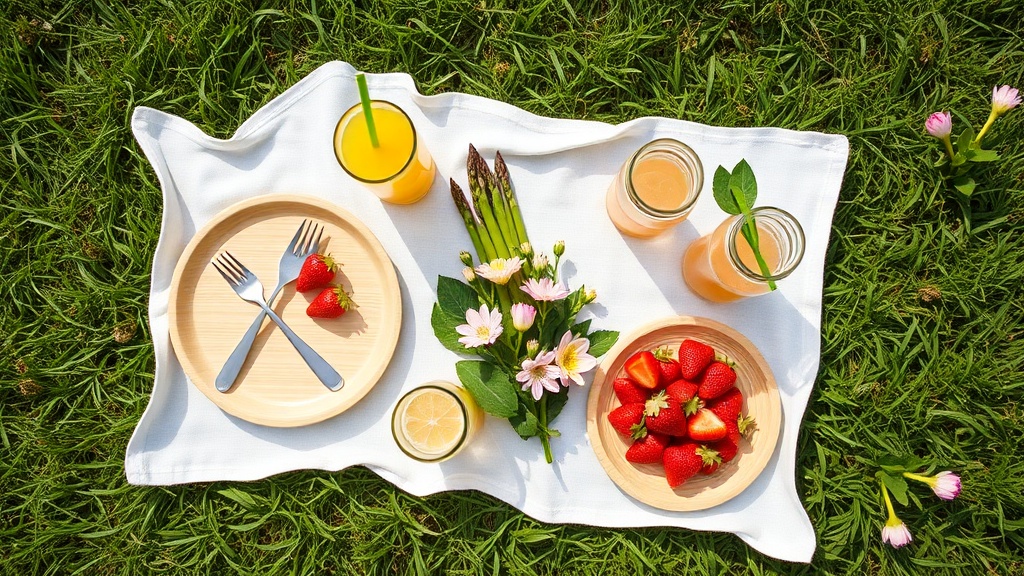
First, ditch the disposable plates and grab these reusable heroes:
- Bamboo plates – sturdy, lightweight, and under $10 each.
- Stainless‑steel cutlery set – a EPA‑recommended staple that lasts forever.
- Mason jars for drinks – they double as storage for leftovers.
- Reusable cloth napkins – pick a fun spring pattern to keep the vibe cute.
- Eco‑friendly tote or cooler bag – look for one made from recycled polyester.
All of these items can be found at Target, Walmart, or your local thrift store for $2‑$12 each. Pro tip: scout the local farmer’s market for fresh produce that reduces transport emissions.
Which local spring flavors should I pack?
Seasonal produce is the star of any sustainable picnic. Here’s what’s in season in the Southeast (and where to snag them for under $5 per pound):
- Strawberries – sweet, juicy, perfect for a quick snack or a DIY fruit salad.
- Asparagus – grill or roast lightly with olive oil; a tasty, vitamin‑rich side.
- Snap peas – crunchy, great raw or tossed in a light vinaigrette.
- Herbs (basil, mint, thyme) – add fresh flavor to water or a simple vinaigrette.
Check the USDA seasonal produce calendar for the most up‑to‑date listings.
How can I keep my picnic zero‑waste?
Zero‑waste isn’t just a buzzword; it’s a mindset. Follow these three steps:
- Pack only what you need. Pre‑measure servings in reusable containers to avoid leftovers.
- Bring a compostable bag. Many parks have compost bins; if not, bring a small zip‑top bag to take food scraps home.
- Leave no trace. Use a damp cloth to wipe down tables and bring a reusable water bottle to stay hydrated.
According to the National Park Service, packing out everything you bring ensures the park stays beautiful for everyone.
Can I style my picnic on a budget?
Absolutely! Pair your reusable gear with a few fashion touches that scream “I’m ready for a chic outdoor vibe” without breaking the bank:
- Wear a breezy linen dress (look for affordable linen finds under $30).
- Add a wide‑brim straw hat – a classic summer staple you can find at thrift stores for $5‑$8.
- Layer with a lightweight denim jacket for those cooler April evenings.
Mix and match these pieces with your picnic blanket (a reclaimed fleece throw works great) for an Instagram‑ready look.
What’s my quick checklist for an Earth Day picnic?
Print or save this on your phone and run through it before you head out:
- Reusable plates, cutlery, and cups.
- Mason jars + reusable water bottle.
- Cloth napkins & zip‑top compost bag.
- Seasonal produce: strawberries, asparagus, snap peas, fresh herbs.
- Budget‑friendly outfit: linen dress, straw hat, denim jacket.
- Check park rules for trash disposal.
What are the bigger benefits of an eco‑friendly picnic?
Beyond the Instagram aesthetic, you’re cutting down on single‑use plastic waste (the average picnic generates over 1 kg of waste per outing), supporting local farmers, and saving money—often up to $15 per person compared to a take‑out meal.
Ready to celebrate Earth Day in style? Grab your gear, hit the park, and enjoy the spring sunshine knowing you’ve made a positive impact.
FAQs
- What reusable items are essential for a zero‑waste picnic? Bamboo plates, stainless‑steel cutlery, mason jars, cloth napkins, and a reusable tote or cooler bag.
- Where can I find affordable, seasonal produce? Local farmer’s markets, community‑supported agriculture (CSA) boxes, and grocery store “local” sections usually have the best prices in spring.
- How do I dispose of food scraps if the park has no compost bin? Bring a zip‑top compost bag and take the scraps home to add to your kitchen compost or trash if you don’t compost.