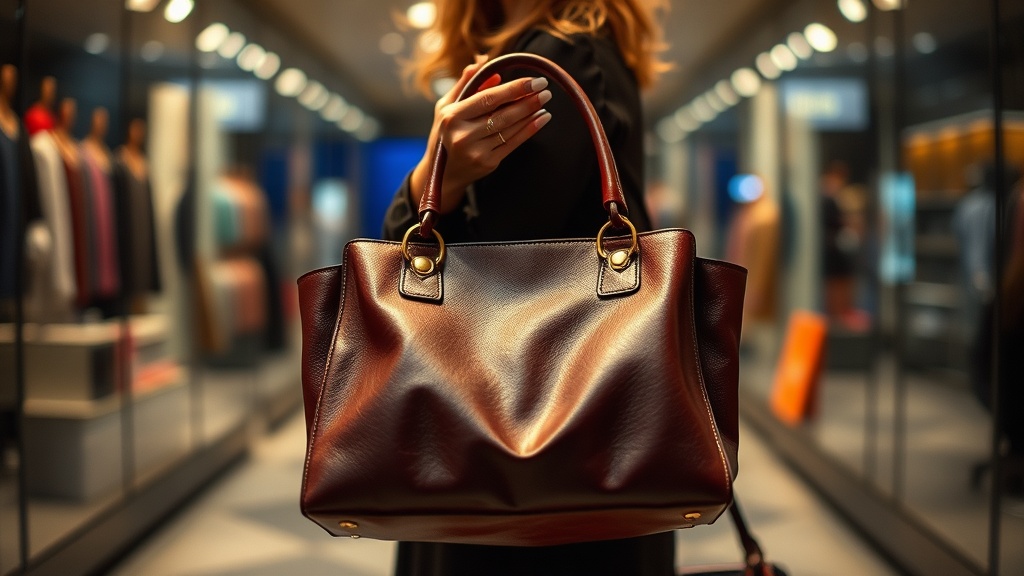
Why Your Handbags Look Cheap and How to Fix It

A beige tote bag sits on a marble cafe table next to a half-finished latte. From a distance, the silhouette is clean, but up close, the edges are fraying, the gold-toned zipper is slightly crooked, and the "leather" has a plastic-like sheen that catches the light unnaturally. This is the difference between a bag that looks like a high-end investment and one that looks like a fast-fashion impulse buy. This guide breaks down the specific structural, material, and hardware flaws that make a handbag look inexpensive and provides actionable steps to ensure your accessories look high-end, regardless of the price tag.
The Hardware Problem: Shiny vs. Sophisticated
The quickest giveaway of a low-cost handbag is the hardware. In the luxury market, metal components are often brushed, matte, or heavy. In the budget market, manufacturers frequently use high-shine, lightweight alloys that look like bright yellow gold or shiny chrome. This high reflectivity screams "cheap" because it lacks the depth and weight of real metal.
Avoid High-Shine Gold
If you are shopping at places like Target, H&M, or even certain sections of Nordstrom Rack, look for hardware that has a "brushed" or "antique" finish. A duller, more muted gold or a soft brass looks significantly more expensive than a bright, yellow-gold plating. The lack of intense shine suggests a higher quality of metal and prevents the bag from looking like a costume piece.
Check the Weight and Movement
Pick the bag up and feel the weight of the zippers and clasps. If the zipper feels light, plastic-y, or catches easily, it will degrade the entire look of your outfit. A smooth-gliding zipper is a hallmark of quality. If you already own a bag with a finicky zipper, a quick fix is to rub a bit of colorless candle wax along the teeth to help it glide more smoothly, though replacing a bag with better hardware is the long-term solution.
Material Integrity: Leather vs. Synthetic Mimicry
The texture of your bag dictates how it interacts with light and how it ages. Cheap synthetic materials often have a uniform, "perfect" texture that looks artificial. Real leather or high-quality vegan alternatives have natural variations and a certain level of "grain" that adds character.
The "Plastic Sheen" Test
Hold your bag under a direct light source. If the surface reflects light in a sharp, white glare, it is likely a low-grade polyurethane (PU) with a high plastic content. This creates a "toy-like" appearance. Instead, look for materials with a matte or semi-matte finish. Even when shopping on a budget, look for "pebbled" textures. A pebbled faux-leather hides imperfections and looks much more like genuine leather than a completely smooth, shiny surface.
Edge Painting and Fraying
Examine the edges of the straps and the top rim of the bag. High-end bags use "edge painting" to seal the raw edges of the material. Cheap bags often leave the edges raw or use a thick, gloopy sealant that looks uneven. If you see the fabric or the "backing" of the synthetic material peeking through at the seams, the bag will not last and will look worn out within weeks. This is similar to why your jewelry might look cheap; it comes down to the finishing touches.
Structure and Silhouette: The Importance of Shape
A bag that cannot hold its own shape is a giveaway of low-quality construction. A "slouchy" bag can look intentional and chic, but a bag that collapses because it lacks internal reinforcement looks poorly made.
Avoid the "Collapsed" Look
When shopping, do not just look at the bag while it is empty and flat. If possible, see how it holds its shape when partially filled. A high-quality bag has a structured base or internal interfacing that maintains the silhouette even when it isn't stuffed full. If you have a bag that tends to sag or lose its shape, you can use a "bag organizer" or a felt insert to provide internal structure. This keeps the bag looking crisp and professional throughout the day.
The Proportions of Straps
Cheap bags often feature disproportionately thin or flimsy straps. A heavy tote with tiny, thin handles looks unbalanced and "cheap." Ensure the strap thickness matches the scale of the bag. A substantial strap suggests durability and better craftsmanship.
Color Saturation and Consistency
Cheap dyes often result in colors that look "flat" or slightly off-tone. For example, a "cream" bag might actually look stark white, or a "navy" bag might look slightly purple under certain lights. This lack of color depth makes the item look synthetic.
- Stick to Neutrals: If you are on a budget, stick to "expensive-looking" neutrals like camel, olive, chocolate brown, or deep burgundy. These colors are easier to execute well in synthetic materials than bright neons or pastels.
- Check for Color Consistency: Look at the stitching. If the thread color is even slightly different from the bag color, it creates a visual distraction that screams low quality. A perfect color match between the material and the thread is essential for a high-end aesthetic.
Maintenance: Keeping the "New" Look
Even an expensive bag can look cheap if it is poorly maintained. Conversely, a budget bag can look like a designer piece if it is kept in pristine condition. Maintenance is the easiest way to elevate your current collection.
Clean the Hardware Regularly
Fingerprints and dust on metal components can dull the look of a bag. Use a microfiber cloth to wipe down your metal clasps and zippers once a week. This keeps the metal looking intentional rather than dirty.
Store Properly
Never toss your bags in a pile on the floor or in a cluttered closet. This leads to permanent creasing and loss of shape. When not in use, stuff your bags with acid-free tissue paper to maintain the silhouette and store them in a dust bag. This prevents the "synthetic smell" from settling into the material and keeps the surface clean.
Manage Scuffs and Marks
If you have a faux-leather bag that has developed a slight scuff, a tiny amount of leather conditioner (even a specialized one for synthetic leather) can often buff out the mark and restore the matte finish. Keeping the surface clean and hydrated is key to longevity.
Summary Checklist for Your Next Purchase
Before you head to the checkout—whether online or in-store—run through this quick mental checklist to ensure your new acquisition will look like a high-end investment:
- Is the hardware matte or brushed rather than high-shine?
- Does the material have a textured grain rather than a flat, plastic sheen?
- Are the edges sealed and finished, or are they fraying/raw?
- Does the bag maintain its shape when empty?
- Is the stitching a perfect color match to the body of the bag?
By paying attention to these small, structural details, you can curate a handbag collection that looks curated and expensive, even if you found your favorite pieces at a discount or a thrift store.