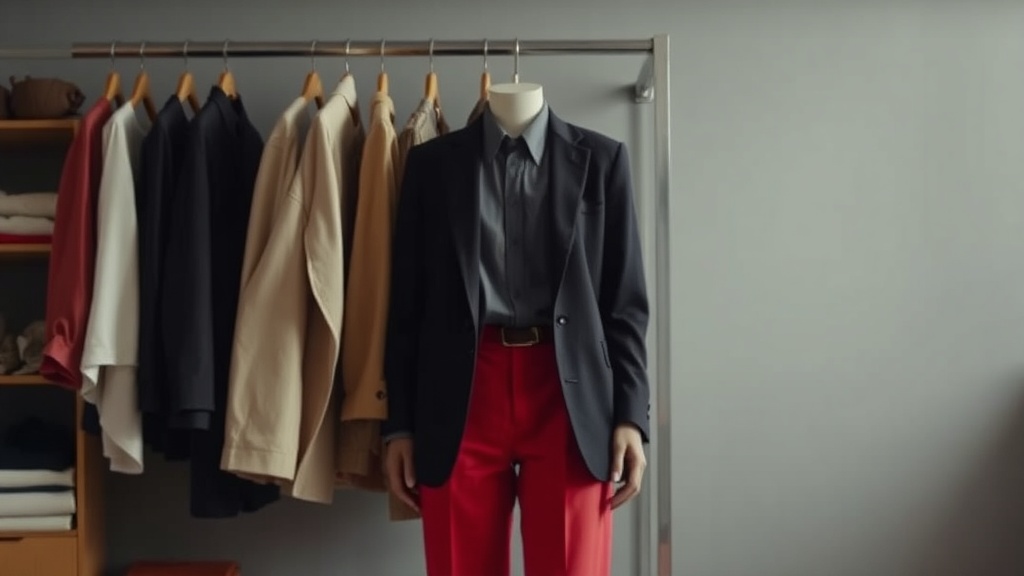
How to Build a Polished Wardrobe Using Thrifted Basics
Why do thrifted clothes look cheap sometimes?
Imagine walking into a high-end boutique and seeing a simple white button-down paired with tailored trousers. It looks crisp, expensive, and intentional. Now, imagine looking at a similar outfit in your closet that feels sloppy or unpolished. The difference often isn't the brand; it's the lack of structure and the way the garment interacts with your body. When you shop thrift stores, you aren't just looking for a piece of clothing—you're looking for a foundation. A well-made vintage blazer or a high-quality cotton tee can become the backbone of your entire style if you know which buttons to push.
The reason many thrifted finds fail to look "expensive" is that they often lack the structural integrity found in modern fast fashion. Fast fashion uses synthetic blends that drape poorly, while thrifted items might be outdated in their silhouette. To avoid this, focus on natural fibers. When you're scanning the racks, look for silk, wool, linen, and cotton. These materials hold their shape and age much better than polyester. A $5 silk blouse from a thrift shop will always look more expensive than a $30 polyester top from a big-box retailer because the way light hits natural silk creates a depth that synthetics just can't mimic.
Don't overlook the power of tailoring. One of the biggest mistakes people make when shopping secondhand is buying for their current size rather than the potential of the garment. If you find a beautiful wool coat at a thrift store but the sleeves are too long, don't walk away. A simple hem or a trip to a local tailor can transform a "baggy thrift find" into a custom-looking piece. This is how you build a wardrobe that looks like it was made specifically for you, even if you spent less than a twenty-dollar bill on the entire outfit.
How do I find high-quality fabrics at the thrift store?
Finding quality-driven pieces requires a bit of a tactile approach. You can't just look with your eyes; you have to use your hands. Reach into the rack and feel the weight of the fabric. Heavyweight denim, thick cotton, and substantial wool are your best friends. If a fabric feels thin, scratchy, or overly stretchy, it likely won't hold a shape, which makes it look "cheap" regardless of how much you paid. I always check the care tags first—not just for the brand, but for the fiber content. If it says 100% cotton or 100% wool, you've hit gold.
To get a better sense of what to look for, check out the Vogue archives for seasonal material trends. Understanding the difference between a heavy crepe and a flimsy jersey will change how you shop. When you're at the thrift store, look for "structured" items. A structured garment has a certain level of stiffness that helps it stand away from the body. This creates a much more polished silhouette than a garment that clings or sags. Think about blazers, structured trousers, and heavy button-downs. These pieces act as the anchors for your more casual pieces, like a basic tank or a denim skirt.
Another tip is to look at the seams and the stitching. High-quality garments have consistent, straight stitching and finished seams. If you see loose threads or uneven construction, it's a sign that the garment won't last or look good after a few washes. A well-constructed garment stays looking new longer, which is the secret to that "expensive" look. You want pieces that look intentional, not pieces that look like they're falling apart at the seams.
What are the best basic items to thrift?
If you're just starting your thrifted wardrobe journey, start with the "Big Three": a structured blazer, a high-quality white shirt, and a pair of neutral trousers. These are the pieces that do the heavy lifting in any outfit. A blazer can instantly make a pair of jeans and a tee look like a deliberate outfit. A crisp white button-down can be worn under a sweater, over a swimsuit, or tucked into a skirt. Because these items are so versatile, they provide a high return on your investment of time and money.
Here is a quick reference guide for your next thrift trip:
| Item | What to Look For | Why It Works |
|---|---|---|
| Blazer | Wool or heavy crepe; structured shoulders | Adds instant structure and authority |
| Button-Down | 100% Cotton or Silk; opaque | The ultimate versatile layering piece |
| Trousers | High waist; linen or wool blends | Creates a long, polished silhouette |
| Denim | High cotton content; no excessive distressing | Provides a solid, durable base |
When looking for these items, ignore the trends and focus on the silhouette. A trend-heavy item might look dated in six months, but a classic silhouette is timeless. A high-waisted trouser in a neutral color like navy, camel, or black will work with almost everything in your closet. This is the foundation of building a wardrobe that feels expensive without the designer price tag. You aren't just buying clothes; you're building a system of interchangeable parts that always work together.
Don't be afraid of a little bit of wear, either. A vintage leather belt or a slightly worn-in suede bag can add a sense of "lived-in luxury" that brand-new items lack. The goal is to look polished, not untouched. A little bit of character in your pieces—like the subtle patina on a leather bag—can actually make an outfit look more high-end and curated rather than just "new."
Keep an eye on sites like The Business of Fashion to see what the industry is focusing on regarding sustainability and textile quality. Understanding the broader trends in how clothes are made will help you become a much more discerning shopper when you're standing in front of those thrift racks. You'll stop seeing "used clothes" and start seeing "high-quality components" for your personal style.