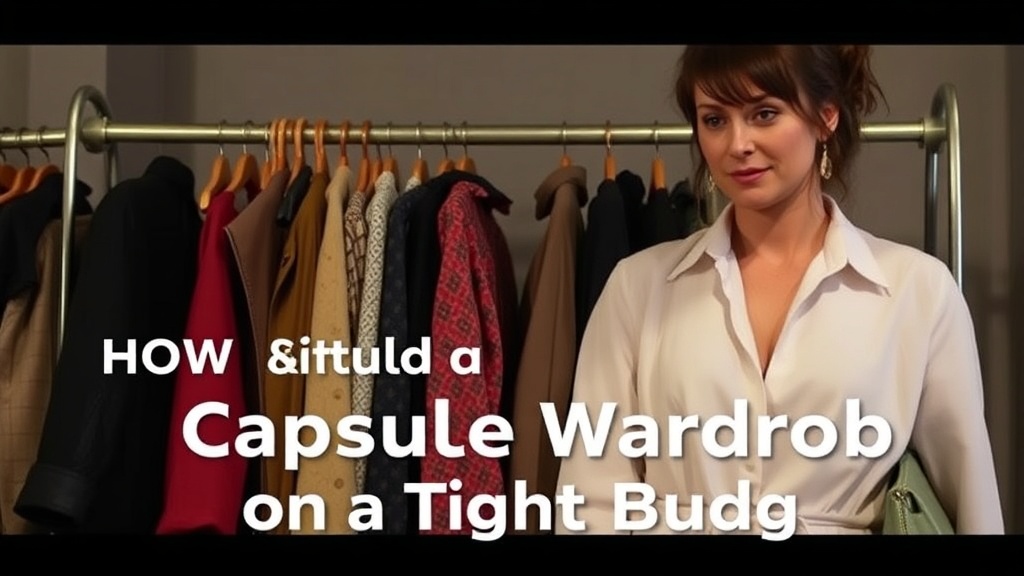
How to Build a Capsule Wardrobe on a Tight Budget

This post covers exactly how to build a capsule wardrobe without spending a fortune — and why doing so means getting dressed faster, looking more put-together, and stopping impulse purchases dead in their tracks. A tight budget isn't a roadblock; it's actually the perfect reason to strip things down to what works. Instead of chasing every micro-trend that flashes across social media, the focus shifts to pieces that mix, match, and last. The result? Fewer mornings standing in front of the closet in pajama pants, scrolling through emails, wondering what to wear. More mornings grabbing any two items and walking out the door looking polished.
What Is a Capsule Wardrobe and Why Does It Save Money?
A capsule wardrobe is a small collection of versatile clothing items that mix and match easily, typically built around a cohesive color palette and classic silhouettes. It saves money by cutting out trendy one-offs that sit in the closet with tags still attached.
Here's the thing: most wardrobes are overflowing with stuff that doesn't go together. (Sound familiar?) When every piece works with at least three other items, shopping becomes intentional. That random sequin top on clearance? Easy to pass up when it doesn't fit the plan. The same goes for those $8 impulse buys from the front of a fast-fashion store — they add up to hundreds of dollars a year in barely-worn clutter.
The real savings come from cost-per-wear. A $45 pair of Levi's 501 jeans worn eighty times costs about fifty-six cents per wear. A $20 top worn twice costs ten dollars per wear. The math isn't hard. Quality basics from reliable brands — Uniqlo's Supima cotton tees, Everlane's cotton sweaters, or second-hand cashmere from a consignment shop — tend to survive dozens of washes without pilling or stretching. That longevity translates directly into fewer shopping trips and more money left in the account.
There's also the hidden cost of decision fatigue. Every unnecessary item in the closet demands a micro-decision. Should this be kept? Does it match? Is it still in style? A simplified wardrobe removes that noise. The mental clarity alone is worth the initial effort.
How Many Pieces Should a Budget Capsule Wardrobe Include?
For beginners, thirty to forty total pieces — including shoes but excluding underwear, pajamas, workout gear, and occasion-specific formalwear — hits the sweet spot between flexibility and simplicity.
That said, there's no magic number engraved in stone. Some people thrive with twenty-five items. Others — especially those living in climates with dramatic seasonal shifts — need closer to fifty. The catch? Every single piece must earn its spot. If an item hasn't been worn in six weeks (excluding seasonal coats), it probably doesn't belong.
Worth noting: shoes and outerwear count in that total. A bulky winter coat, a lightweight trench, and three pairs of shoes quickly eat up space. Here's a practical breakdown for a year-round starter capsule built on a tight budget:
| Category | Number of Items | Budget-Friendly Examples |
|---|---|---|
| Tops | 8-10 | White crewneck tee, striped Breton shirt, black turtleneck, chambray button-down, gray bodysuit |
| Bottoms | 6-8 | Dark-wash Levi's 501s, beige wide-leg trousers, black midi skirt, tailored shorts |
| Dresses & Jumpsuits | 2-4 | Little black dress from H&M, utility jumpsuit from Old Navy |
| Layering Pieces | 3-4 | Neutral cardigan, lightweight blazer, classic denim jacket |
| Outerwear | 2-3 | Tan trench coat, wool-blend coat from Uniqlo, puffer vest |
| Shoes | 5-6 | White Adidas Stan Smiths, black ankle boots, beige ballet flats, leather sandals |
The goal isn't perfection on day one. Most people start with what they already own, identify the holes, and slowly replace fast-fashion mistakes with better alternatives. It's a process — not a single shopping spree.
Where Can You Find Quality Basics Without Breaking the Bank?
The best sources for affordable capsule staples are discount retailers, mid-range fast-fashion brands with solid basics lines, and local thrift stores — often in that exact order.
Uniqlo is a goldmine for neutral tees, cashmere blends, and structured trousers under $50. The brand's Heattech line also solves winter layering without adding bulk. Target's A New Day and Universal Thread collections deliver surprisingly decent blazers, knitwear, and denim under $40. Old Navy excels at jeans and casual basics that hold up through multiple washes — especially during their frequent 50%-off sales. For shoes, Converse Chuck Taylor All Stars and white Adidas Stan Smiths pop up constantly at Nordstrom Rack for under $60.
Thrift stores like Goodwill, Buffalo Exchange, and local church sales deserve serious consideration. In major cities like Chicago, Atlanta, or Los Angeles, a perfectly good J.Crew wool coat or Madewell denim jacket often sells for $15 to $25. The trick is knowing exactly what's needed before walking in. (Wandering aimlessly leads to a cart full of almost-right items that blow the budget.) Bring the written list. Check garment seams, zippers, and armpits for wear. If something needs $20 in alterations, pass — unless it's a dream piece.
Online resale platforms offer another route. ThredUp, Poshmark, and eBay are packed with pre-owned staples from brands like Zara, Banana Republic, and COS. Filter by size, color, and brand. Look for sellers with five-star ratings and detailed photos. Ask questions about measurements. A tape measure and five minutes of messaging can prevent a disappointing package.
That said, not every budget brand is worth the hype. Some ultra-cheap retailers use fabrics that pill after two washes or dyes that bleed in the machine. Read reviews specifically mentioning longevity. If fifteen reviewers say the hem unraveled in a month, believe them.
How Do You Build a Capsule Wardrobe Step by Step?
Start by pulling everything out of the closet and sorting into three piles: keep, donate, and maybe. The keep pile should only contain items that fit well right now, feel comfortable, and work with at least two other pieces already owned.
Next, identify the gaps. If there are six tops but only one pair of pants that fits, the priority is clear. Make a written list — yes, physically write it down — of missing categories. Here's a simple roadmap that breaks the process into manageable steps:
- Audit the closet completely. Try everything on. Be ruthless. If it doesn't fit today, it goes. If it hasn't been worn in a year, it goes. That "maybe" pile? Give it thirty days in a storage bin. If it's not missed, donate it.
- Choose a tight color palette. Neutrals like black, navy, beige, white, cream, and gray form the backbone. Add one or two accent colors — maybe burgundy or olive green — for interest. Every new piece must match at least three existing items.
- List the exact gaps. Note specific missing pieces — not just "more pants" but "high-waisted dark-wash jeans in a 28-inch waist." Specificity prevents impulse buys.
- Set a strict spending limit. Decide the monthly or seasonal budget and stick to it. Some people use cash envelopes. Others use a separate debit card. Find the method that creates friction.
- Shop with the list and nothing else. Buy one quality piece at a time rather than blowing the budget in one trip. Wait for sales. Sign up for email alerts from Uniqlo, Nordstrom Rack, and Madewell — then unsubscribe once the capsule is built.
- Test every new item. Before removing tags, style it with at least three existing pieces. If it doesn't play well with the team, return it.
Here's the thing: rushing leads to regret. A capsule wardrobe built carefully over three months beats one thrown together in a panic before a vacation. Patience pays off — literally. Each intentional purchase feels like a small win instead of a guilt trip.
How Do You Keep a Capsule Wardrobe Looking Fresh?
Rotation and care matter more than constant buying. Wash jeans inside-out in cold water to preserve the dye. Hang dry knit sweaters to prevent stretching. Use a fabric shaver on pilling cardigans. Steam instead of ironing when possible — it's gentler on fibers.
Small updates breathe life into the same ten pieces. A new belt from Target's Universal Thread line, a silk scarf scored at a flea market for $8, or a fresh lipstick shade — these add personality without blowing the capsule concept. Accessories are the loophole. They take up minimal closet space and completely shift an outfit's mood.
That said, seasonal reviews keep things from getting stale. Every three to four months, reassess. One item leaving the closet for every one item entering keeps the count steady. This prevents the slow creep back toward chaos. If a white tee has turned gray or a blazer has lost its shape, replace it. Don't hold on out of guilt.
Building a capsule wardrobe on a tight budget isn't about deprivation. It's about choosing pieces that work harder so getting dressed feels effortless — and the bank account stays happy. Start with what you already own. Shop smart. Wash carefully. And remember: looking expensive has very little to do with the price tag.
Steps
- 1
Audit your current closet and identify gaps
- 2
Choose a cohesive color palette
- 3
Shop secondhand and prioritize quality basics