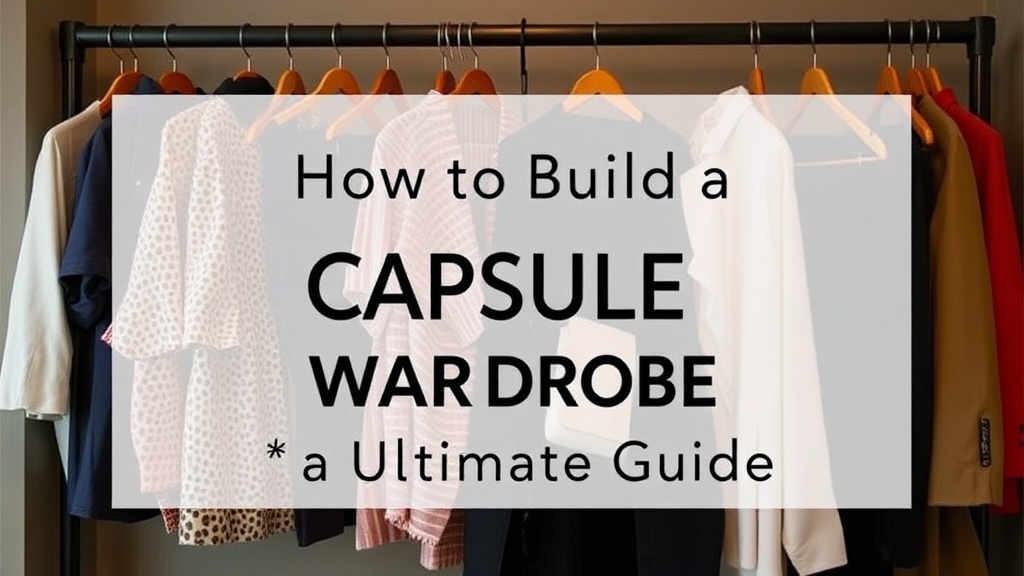
How to Build a Capsule Wardrobe on a Budget: The Ultimate Guide

This guide breaks down exactly how to build a versatile capsule wardrobe without draining the bank account. You'll learn which pieces matter most, where to find quality basics under $50, and how to mix and match everything into dozens of outfits. Whether starting from scratch or trimming an overflowing closet, these strategies help maximize every dollar while keeping style intact.
What Is a Capsule Wardrobe and Why Does It Work?
A capsule wardrobe is a curated collection of 25 to 40 interchangeable clothing items that work together seamlessly. The concept eliminates decision fatigue, reduces morning stress, and ensures every piece earns its hanger space. By focusing on quality over quantity, the approach naturally limits spending while actually expanding outfit possibilities.
The psychology behind capsule wardrobes is straightforward—fewer choices lead to greater satisfaction. When everything in the closet coordinates, getting dressed becomes intuitive rather than overwhelming. That said, the real magic happens at the cash register. Buying 30 intentional pieces costs significantly less than accumulating 100+ trendy items that rarely get worn.
Here's the thing about budget capsule wardrobes specifically: constraints breed creativity. Working within financial limits forces smarter decisions about fabric quality, silhouette versatility, and color coordination. The result? A closet full of pieces that actually get worn instead of tags that stay attached for months.
How Many Pieces Should a Budget Capsule Wardrobe Include?
For beginners, aim for 30 to 35 total pieces including shoes and outerwear. This number provides enough variety for diverse occasions without becoming unmanageable. The specific breakdown depends on lifestyle—office workers need more blazers, while remote workers prioritize comfortable separates.
Start with this framework:
| Category | Quantity | Examples |
|---|---|---|
| Tops | 8-10 | White button-down, striped tee, black turtleneck |
| Bottoms | 6-8 | Dark jeans, midi skirt, tailored trousers |
| Dresses | 3-4 | Little black dress, wrap dress, shirt dress |
| Outerwear | 3-4 | Trench coat, denim jacket, structured blazer |
| Shoes | 5-6 | White sneakers, ankle boots, nude flats |
The catch? These numbers aren't rigid rules. Someone living in Miami needs fewer coats; someone in Seattle requires more. Adjust based on climate, profession, and personal comfort preferences.
What Are the Best Affordable Brands for Capsule Basics?
Quality basics don't require designer price tags. Several retailers consistently deliver well-constructed foundation pieces that withstand daily wear without breaking budgets.
For denim, Old Navy's High-Waisted Wow Skinny Jeans (around $35) offer surprising stretch recovery and multiple inseam lengths. The dark wash options work equally well for casual Fridays and weekend brunches. Uniqlo dominates the basics category—their Supima Cotton Crew Neck T-Shirts ($14.90) maintain shape after dozens of washes, and the Airism fabric technology works wonders for layering pieces.
Professional separates demand slightly higher investment, but H&M's Conscious Collection and Zara's Basic Edit deliver structured blazers under $60. The Target A New Day line produces surprisingly decent trousers ($25-$35) that pass for department store quality with proper tailoring.
Footwear requires careful consideration since shoes affect entire outfits. Target's Universal Thread ankle boots ($39.99) and Old Navy's Canvas Sneakers ($24.99) provide solid entry-level options. For slightly elevated basics, Everlane's Day Glove flats (when on sale around $65) and Naturalizer sandals (often discounted to $50-$70) offer better longevity.
Worth noting: thrift stores and consignment shops often carry these exact brands for 60-70% less. A barely-worn J.Crew blazer found at ThredUp beats a fast-fashion alternative at the same price point.
How Do You Choose Colors for a Capsule Wardrobe?
Select a base of three to four neutral colors plus two accent shades. Navy, black, white, and tan form the most versatile foundation—these colors coordinate effortlessly and never look dated. Accent colors should complement skin tone and personal preference; think rust orange, sage green, or dusty rose.
The 60-30-10 rule applies here: 60% of pieces in core neutrals, 30% in secondary neutrals (gray, cream, olive), and 10% in accent colors or subtle patterns. This distribution ensures everything mixes while preventing boredom. A striped Breton tee counts as neutral; a floral maxi dress demands more careful placement.
Here's a practical test: lay potential purchases on a bed together. If a piece doesn't work with at least three existing items, it doesn't belong in the capsule. This prevents the common trap of buying beautiful standalone pieces that create outfit orphans.
Building Your Capsule Step by Step
Start with a closet audit. Remove everything that hasn't been worn in six months, doesn't fit properly, or requires pieces no longer owned. Donate or sell these items immediately—clinging to "someday" clothes wastes physical and mental space.
Next, identify gaps using this priority order:
- Undergarments that actually fit (the foundation of every outfit)
- One pair of well-fitting dark jeans
- A white button-down shirt in quality cotton
- A structured blazer that works with jeans and trousers
- Neutral ankle boots or loafers
- A versatile dress requiring zero additional purchases
Buy one category at a time rather than attempting a complete overhaul. This spreads costs across paychecks and allows careful evaluation of each piece's role. The goal isn't immediate perfection—it's gradual improvement toward a functional system.
Tailoring transforms budget pieces into custom-looking investments. A $25 thrifted blazer altered for $20 looks expensive. Hemming $30 Uniqlo trousers to the perfect ankle-grazing length elevates the entire silhouette. Even basic t-shirts benefit from slight shoulder adjustments.
Seasonal updates keep capsules fresh without starting over. Each quarter, assess whether current pieces serve upcoming weather and activities. Replace worn favorites with similar styles, or introduce one trending color through accessories. The Good Housekeeping Institute recommends evaluating wardrobe needs seasonally to prevent impulse purchases.
Storage matters more than expected. Slim velvet hangers maximize closet space and prevent shoulder bumps. Clear shoe boxes protect investment footwear. Drawer organizers maintain order—when items stay visible, they get worn more frequently.
Documentation helps track what works. Snap phone photos of favorite outfits. Notice patterns: which pieces appear constantly? Which combinations feel most confident? This data guides future purchases and prevents repeating mistakes.
Accessories complete capsules without cluttering closets. One quality leather belt (the Madewell Leather Belt, $45 on sale), a structured tote bag, and simple gold jewelry transform basic combinations into polished looks. Scarves, statement earrings, and watches add personality without requiring garment storage space.
Building a capsule wardrobe on a budget demands patience, but the payoff extends beyond savings. There's something deeply satisfying about opening a closet where every piece fits, flatters, and functions. Start small. Choose well. Watch how simplifying clothing choices actually expands style possibilities.