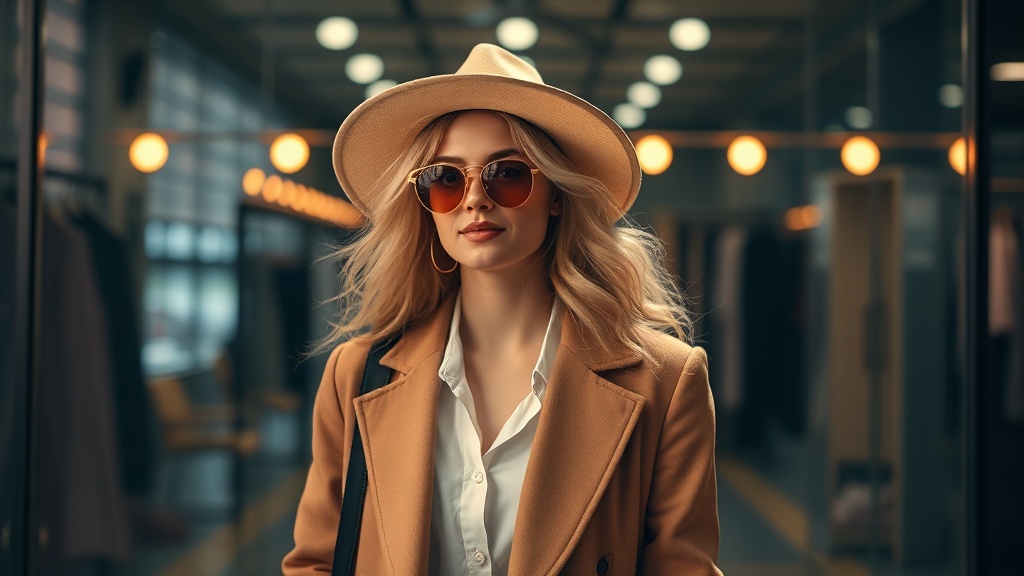
Create a Designer Aesthetic Using Only Your Current Wardrobe
Studies on consumer psychology suggest that nearly 70% of people believe high-end fashion is defined by visible logos, yet the reality is that the human eye actually prioritizes silhouette, texture, and color cohesion. This post breaks down the specific methods you can use to manipulate your existing clothes to mimic high-end designer aesthetics without spending a dime. We'll look at the geometry of clothing, the science of color palettes, and the small adjustments that turn a basic outfit into something that looks like it walked off a runway.
How Can I Make My Clothes Look Expensive?
You make your clothes look expensive by focusing on garment structure, fabric weight, and the removal of distracting details. High-end fashion relies heavily on "clean" lines—meaning fewer ruffles, no loud branding, and a focus on how the fabric drapes against the body. If you have a cotton t-shirt that looks a bit limp, it won't matter how much it cost; it won't look high-end. However, if you pair that same shirt with a structured blazer or a heavy-weight linen pant, the entire vibe shifts.
The secret is in the "weight" of the look. Luxury brands like The Row or Max Mara often use heavy, high-quality fabrics that hold their shape. You can mimic this by layering. A thin silk camisole looks much more expensive when it's layered under a structured wool cardigan or a heavy denim jacket. The contrast between the soft and the structured creates a visual depth that screams quality.
One of the easiest ways to achieve this is through monochromatic styling. When you wear one color from head to toe, you create a long, unbroken vertical line that tricks the eye into seeing a cohesive "look" rather than just individual pieces of clothing. If you've already mastered this, check out my guide on how to make your thrifted basics look high-end with monochrome styling.
The Rule of Three Textures
A common mistake is wearing too many different fabrics that clash. To look expensive, aim for a maximum of three distinct textures in one outfit. For example:
- Option A (The Professional): A crisp cotton button-down, a wool skirt, and leather loafers.
- Option B (The Casual Luxe): A silk camisole, a denim jacket, and suede boots.
- Option C (The Cozy Chic): A chunky knit sweater, satin slip skirt, and velvet headband.
Mixing textures adds "richness" to a look. A flat cotton shirt paired with flat cotton pants can look a bit one-dimensional—and a little cheap. But a silk top paired with a heavy wool pant? That's a visual interest that mimics high-fashion editorial styling.
What Colors Look Most Expensive?
Neutral tones like cream, camel, navy, charcoal, and black are the colors that most frequently signal luxury. While bright neons and heavy patterns are fun, they often distract from the quality of the garment's construction. Neutral palettes allow the silhouette to take center stage.
If you want to use color, stick to "tonal" dressing. This means staying within the same color family. Instead of a bright red, try a deep burgundy or a soft terracotta. These muted, desaturated versions of colors often look more sophisticated. Think of the way Hermès uses earth tones—they aren't just "brown," they are cognac, sand, and ochre.
It's also worth noting that "off-white" often looks more expensive than "stark white." A cream or ivory sweater looks much more intentional and high-end than a bright, bleached-out white piece. It gives the impression of natural fibers like wool or silk, even if the piece is a synthetic blend.
| Vibe | Color Palette | Key Texture |
|---|---|---|
| Old Money/Quiet Luxury | Cream, Beige, Navy | Cashmere, Silk, Linen |
| Edgy Designer | Black, Slate, Deep Burgundy | Leather, Heavy Denim, Velvet |
| Modern Minimalist | White, Grey, Sage | Cotton Poplin, Structured Twill |
How Do I Style Basic Items to Look Designer?
You style basic items by focusing on the "tuck," the "roll," and the "accessory ratio." Most people wear their clothes "as is," but designers rarely do. They manipulate the garment to fit the person, not the other way around. Even if you don't have a tailor, you can use these manual styling tricks to change the silhouette of your clothes.
First, the "French Tuck." If you have a basic sweater or an oversized button-down, don't just let it hang. Tucking just the front into your waistband creates a waistline and makes the outfit look intentional rather than accidental. This small movement changes the proportions of your body and makes the outfit look styled.
Second, pay attention to your sleeves. Rolling the sleeves of a blazer or a button-down to show your wrists creates a sense of ease. It breaks up the bulk of the fabric and adds a touch of effortless chic. It's a way to show a bit of skin, which prevents a heavy-looking outfit from swallowing you whole.
Third, use your jewelry to create a focal point. A simple outfit can be transformed by one high-quality-looking piece. This doesn't mean you need to buy expensive jewelry—it means you should avoid anything that looks overly plastic or "costume-y." If you're looking to add small details, you might want to swap your cheap buttons for instant luxury to upgrade your existing pieces.
The goal is to create a "finished" look. A finished look usually includes a cohesive accessory. This could be a structured bag, a leather belt, or even a silk scarf. If your outfit feels "unfinished," it's usually because you've stopped at the clothes and forgotten the finishing touches.
"Fashion is about the details. A well-fitted blazer and a structured bag can make a $20 outfit look like a $200 outfit."
One thing to keep in mind is the importance of grooming. A designer aesthetic isn't just about the clothes; it's about the presentation. A neat hairstyle, clean nails, and even a well-pressed shirt will do more for your "expensive" look than a new designer handbag ever could. If your clothes are wrinkled, the most expensive silk in the world will look cheap. Invest time in a handheld steamer—it's a small tool that makes a massive difference in how your fabric sits on your body.
For more information on textile quality and how to identify high-quality fabrics, you can research garment construction standards on the Wikipedia page for textiles. Understanding the difference between natural and synthetic fibers will help you shop more effectively in the future.
Lastly, don't forget the power of footwear. A clean, structured shoe acts as the foundation of your outfit. If you're wearing a casual look, a pair of polished loafers or a sleek bootie will pull the entire aesthetic together. Avoid wearing heavily worn-out sneakers with "chic" outfits unless you are intentionally going for a high-low street style look.
Steps
- 1
Audit Your Current Pieces
- 2
Reorganize by Color and Texture
- 3
Experiment with Layering Techniques
- 4
Accessorize with What You Own